
 Italiano

-
×
 Coppia Colonne Marmo Giallo Siena Broccatello H 98cm
1 × €2.900,00
Coppia Colonne Marmo Giallo Siena Broccatello H 98cm
1 × €2.900,00 -
×
 Korean Woman Marble Sculpture Patinated Effect H 30 cm
1 ×
Korean Woman Marble Sculpture Patinated Effect H 30 cm
1 ×€186,00€130,20
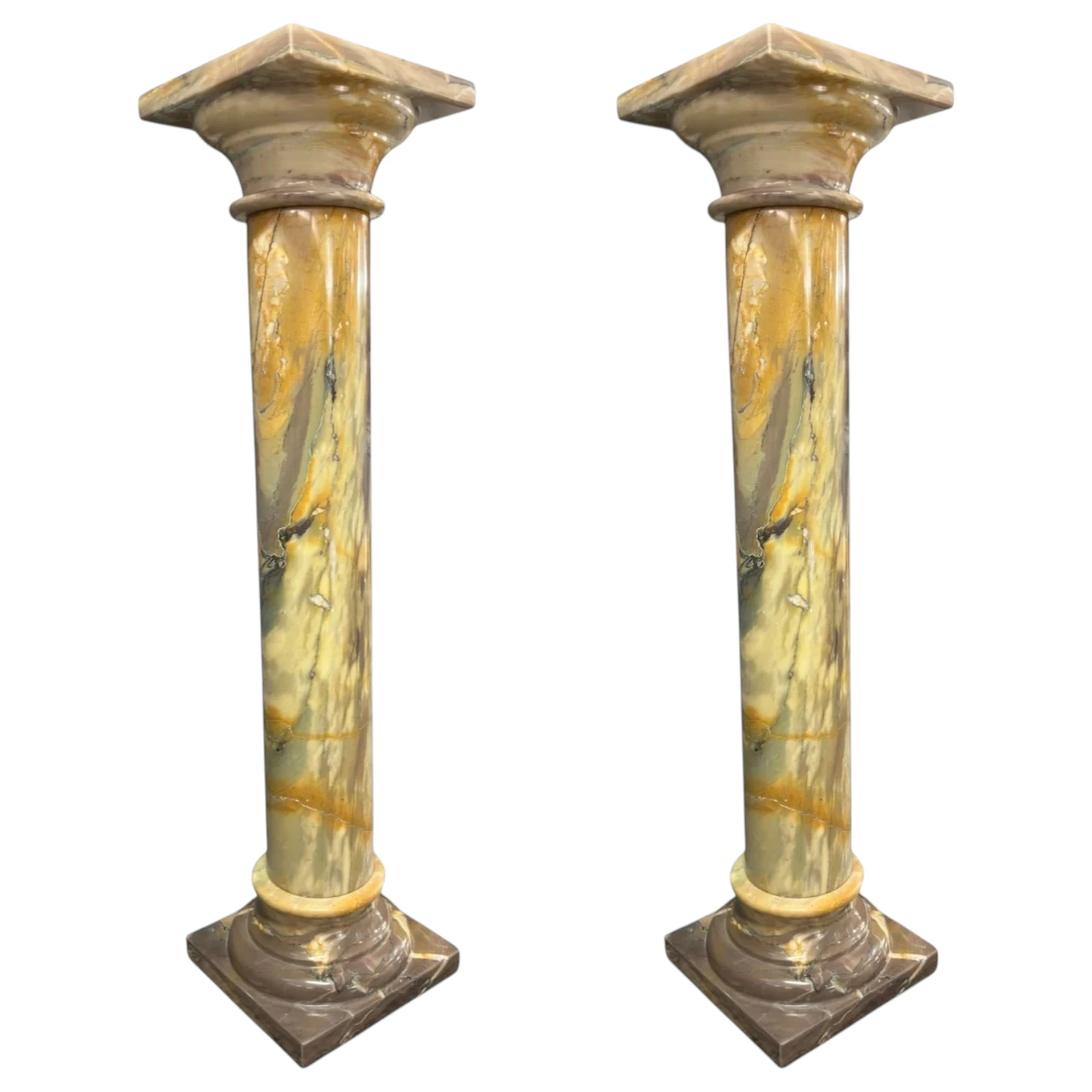 Coppia Colonne Marmo Giallo Siena Broccatello H 98cm
 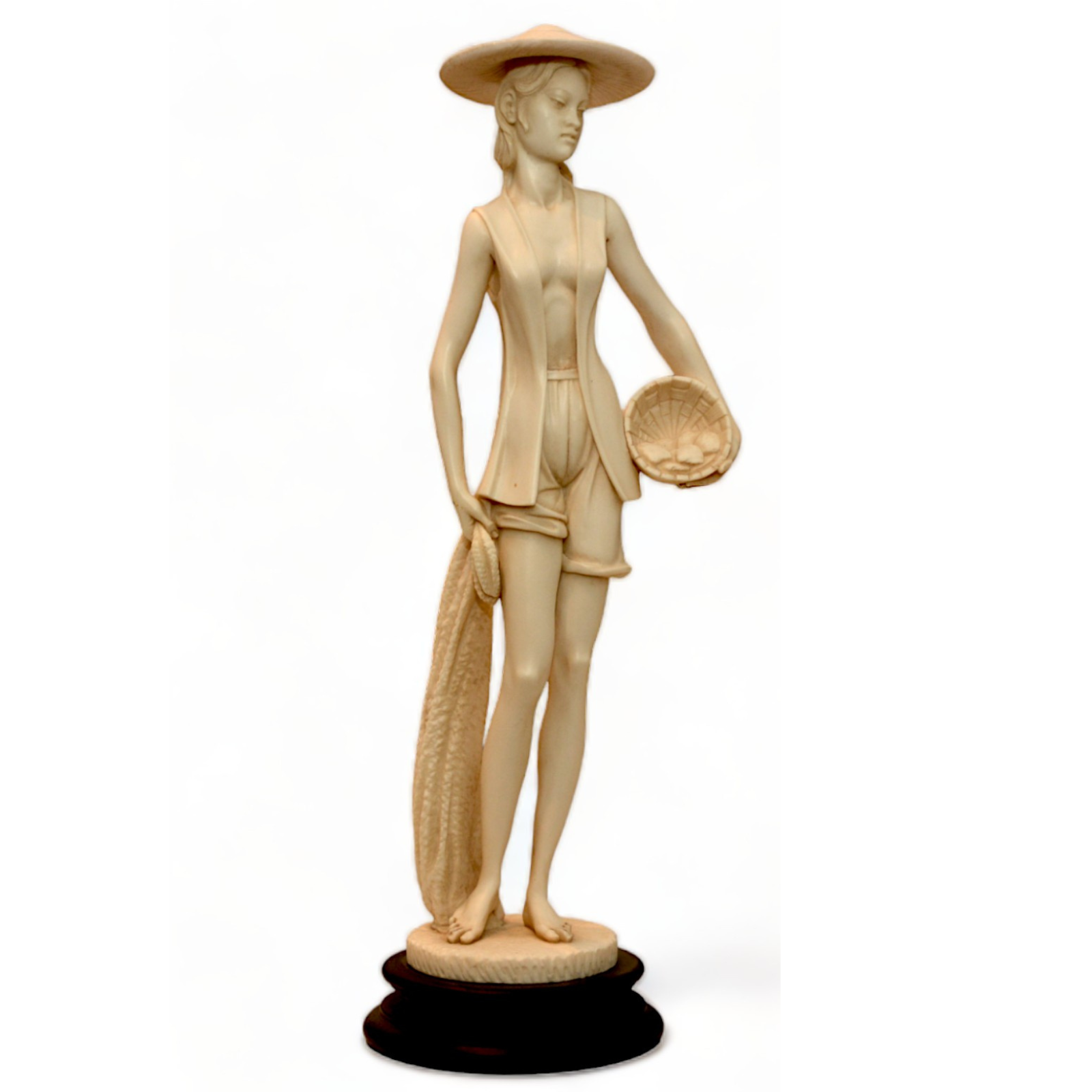 Korean Woman Marble Sculpture Patinated Effect H 30 cm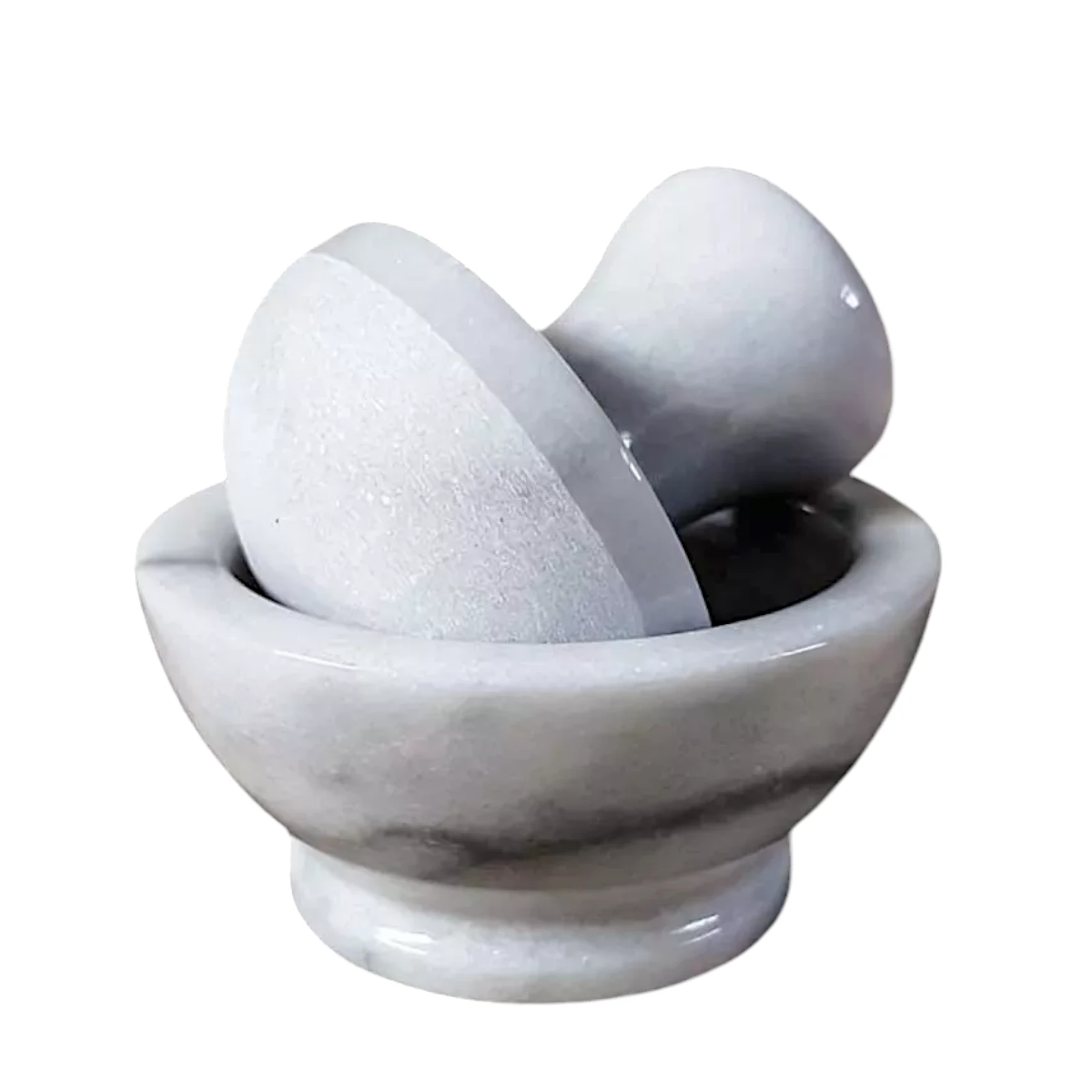
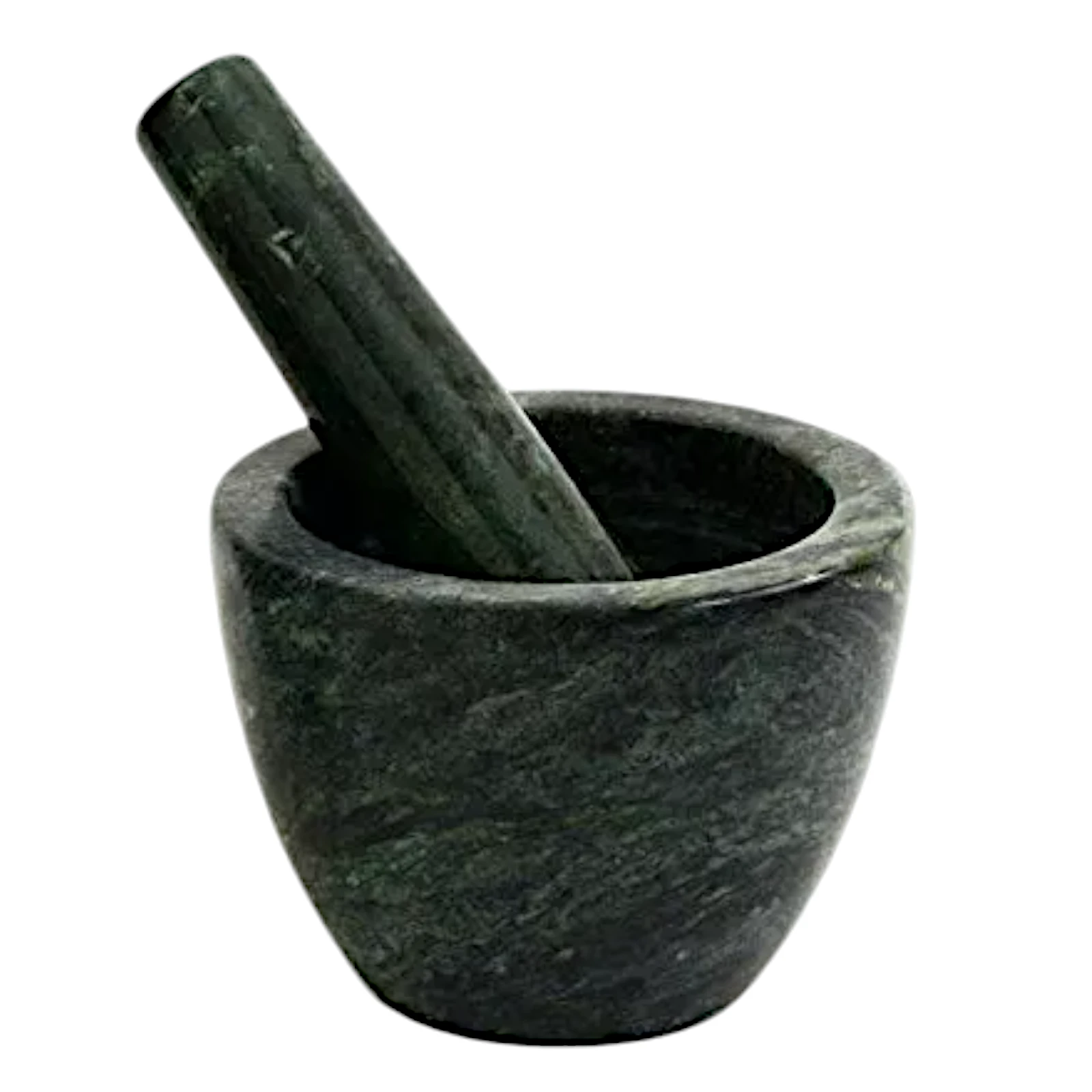


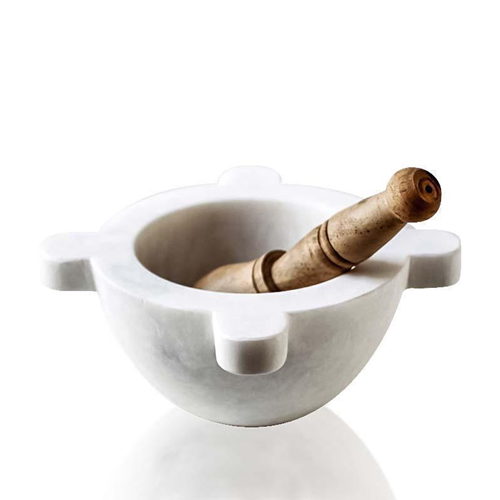
Green Marble Mortar with Pestle
Price range: €36,00 through €59,00
Green marble kitchen mortar with pestle Available in various sizes. Functional and refined mortar made with classic green marble with typical veins. Durable and elegant material that gives an original and modern look to a tool whose origins are very ancient.
Leggi tutto
Green marble kitchen / pharmacy mortar with pestle
The name mortar originates from the vulgar latin mortarjiu s, derived in turn from the more ancient mortare (making parts) . The need to crush and pulverize some materials by percussion dates back to remote times and was initially practiced mainly using natural cavities and, then, perhaps even before milling with the millstone, with mortars almost always made of stone. The most ancient mortars are in hard stone (used, for example, by Etruscans and Greeks), marble or alabaster. Even the Bible testifies to its ancient use: “The manna was pounded in a mortar to prepare cakes” .
Green marble stands out in architecture, design and in the artistic field for its particular brightness and elegance, which make it ideal for both indoor and outdoor environments, both for covering floors and walls or facades, both in the kitchen and in bathroom, for example recalling, thanks to its chromatic characteristics, nature and, consequently, that feeling of balance and well-being that one feels when surrounded by greenery.
Not surprisingly, green stones are associated with the heart chakra, and evoke the most relaxing atmospheres. Also splendid in combination with light or beige marble and for the creation of decorative elements such as mosaics, green marble is found in numerous works and examples of architecture throughout history, since Roman times. When you opt for green marble, you opt for a type of refined beauty, which goes well with both classic and modern environments, creating solutions that are always surprising and impactful.
| Dimensions | N/A |
|---|---|
| Size | 8 cm, 10 cm, 12 cm, 6 cm |
Be the first to review “Green Marble Mortar with Pestle”
You must be logged in to post a review.
You may also like…
Price range: €29,00 through €95,00

Reviews
There are no reviews yet.