
 Italiano

CBAM
The Grace of Sculpture, the Bathers in Marble
Jul
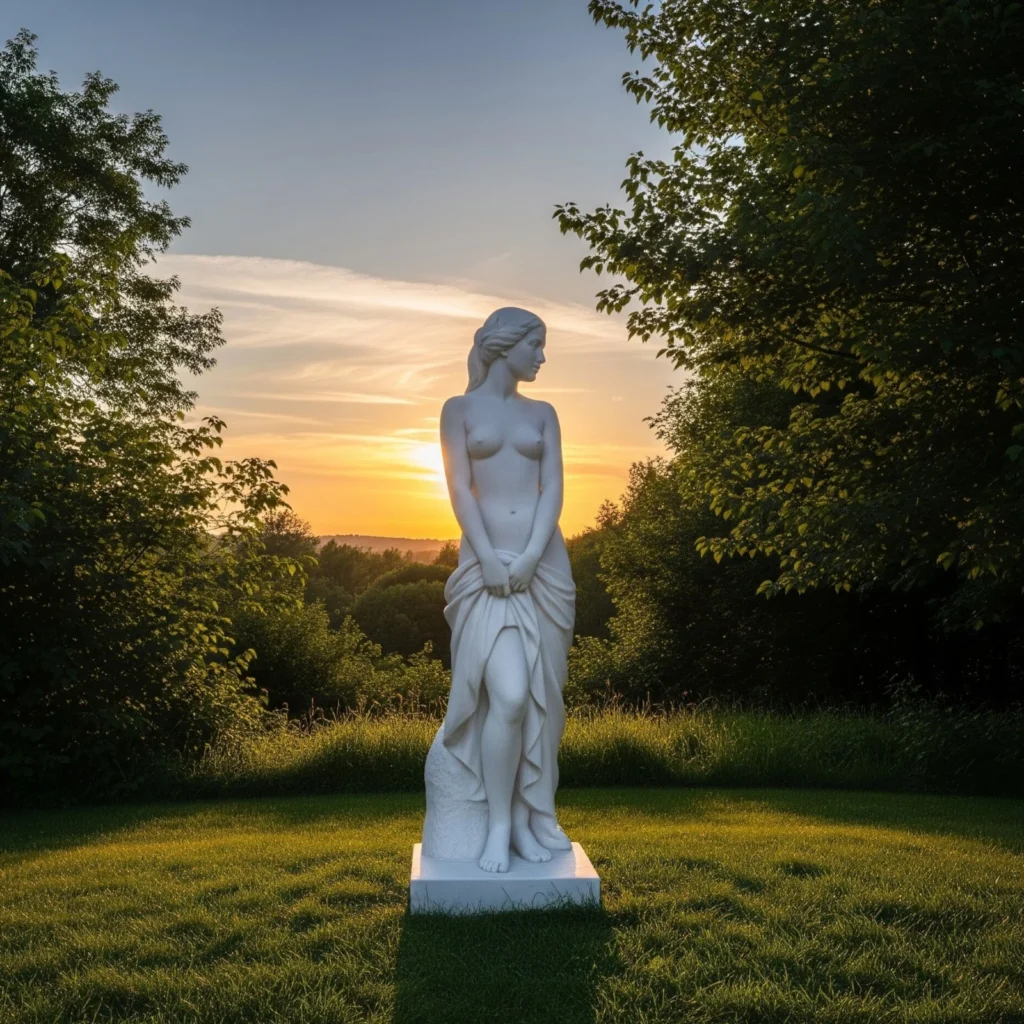
There is a figure that crosses the history of art with the lightness of water and the strength of myth: the bather. A woman caught in an intimate and silent moment, as she sits, dries herself, or turns naturally. This figure has inspired generations of artists. She is neither a goddess nor a muse posing: she is beauty in its most sincere form, made of everyday gestures and timeless harmony.
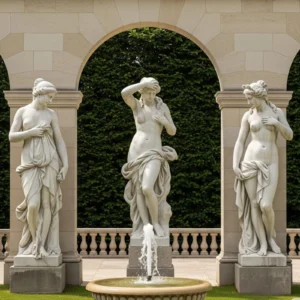
In the heart of the eighteenth century, Christophe-Gabriel Allegrain sculpted his famous Bather for Madame du Barry. The naked body, just turned, expresses a discreet and natural sensuality that captures the gaze with silent grace. She is a real woman, captured in her suspended moment, and it is this very truth that makes her eternal.

Étienne Maurice Falconet, on the other hand, gives us a bather almost surprised by our gaze, engaged in a simple gesture like brushing back her hair or leaning toward the water. The marble seems to yield to the warmth of the body; the forms are soft, delicate, and deeply human. Falconet transforms the moment into a monument to conscious femininity.
And then there is Antonio Canova, the great Neoclassical master, who brings the figure of the bather toward a more refined, almost metaphysical aesthetic ideal. His sculptures, light, polished, and perfect, are imbued with a radiant spirituality. In his work, the bather is no longer just a body but a poetic gesture. As in The Three Graces or the Venus, Canova gives shape to purity and grace.
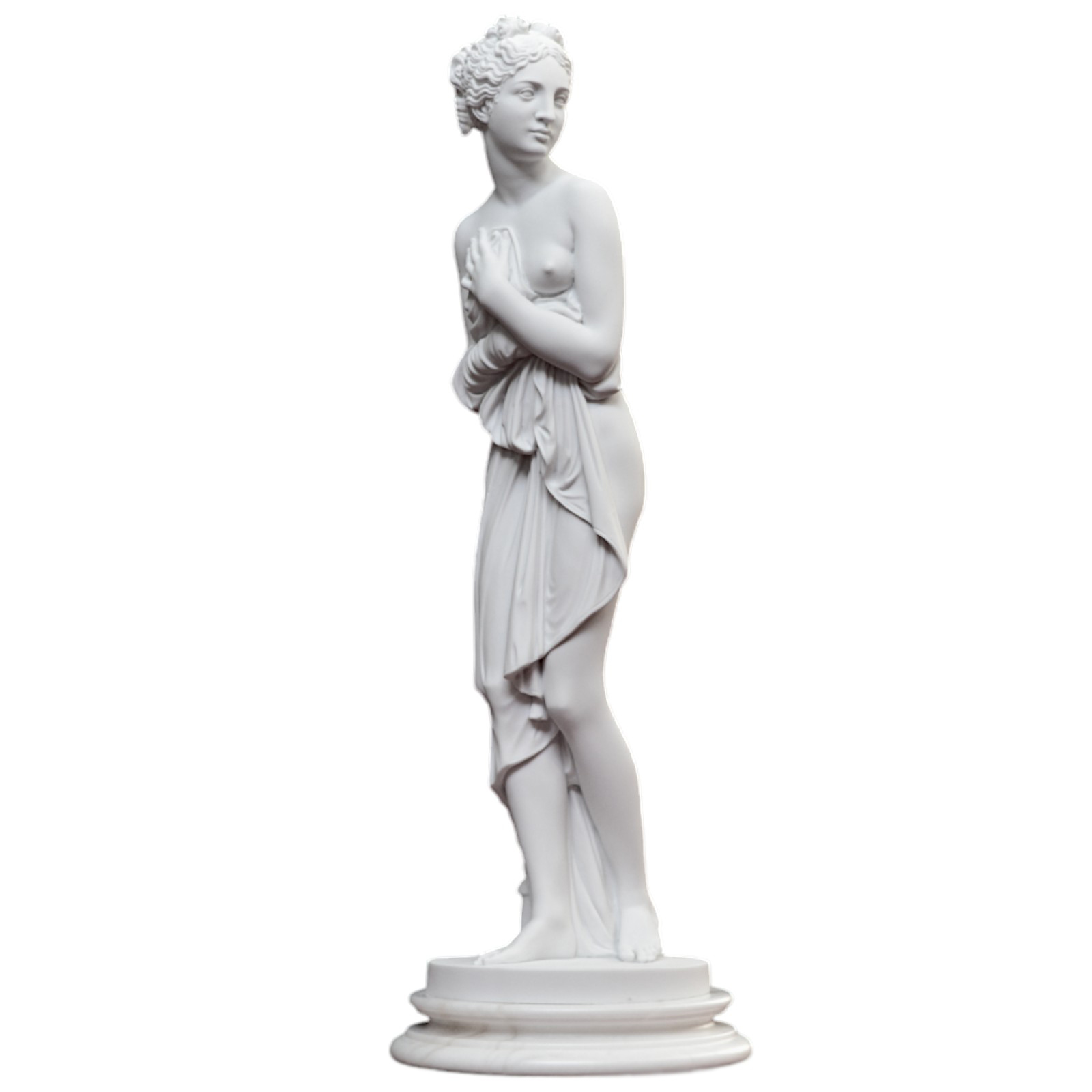
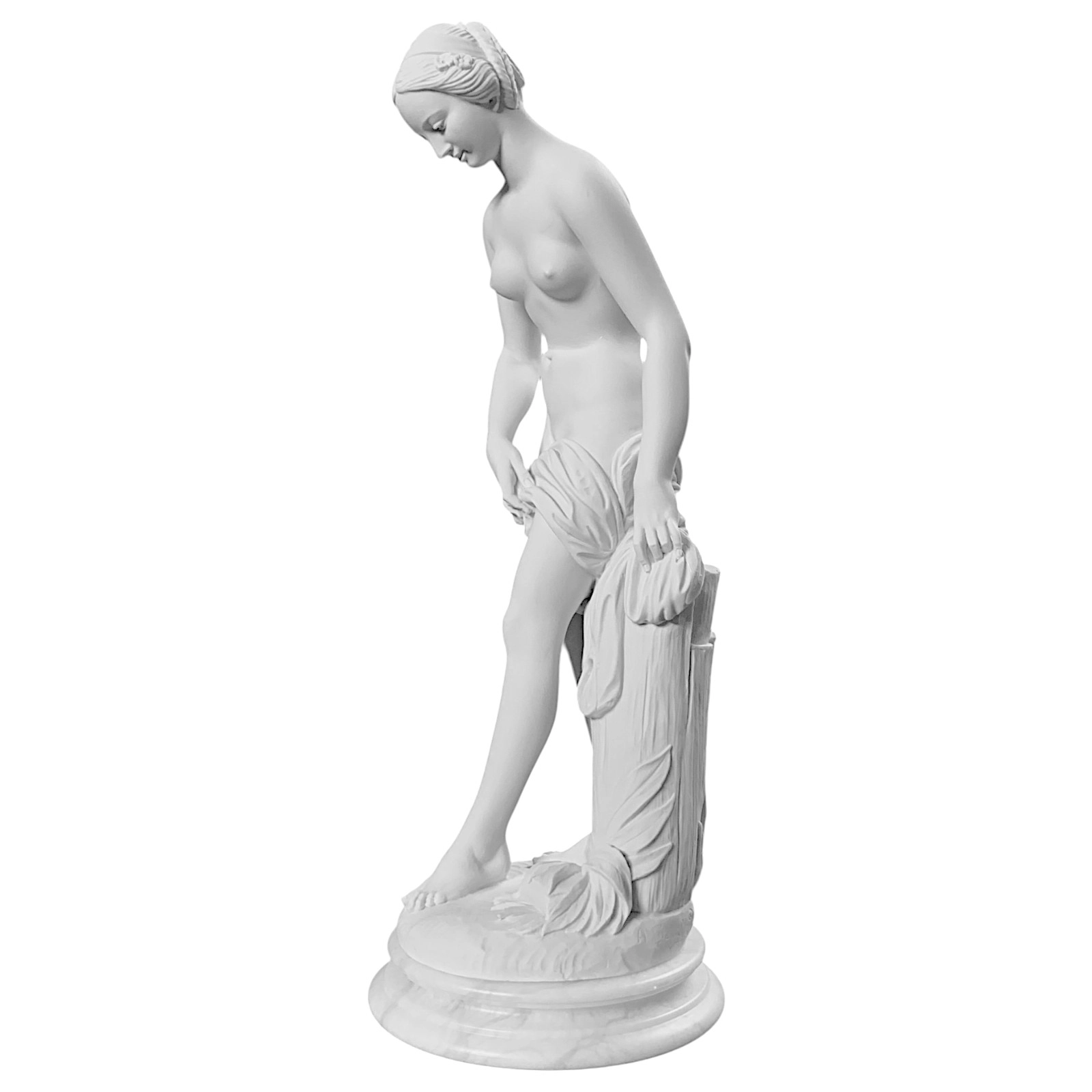
Today, that same spirit is reborn in our collection of hand-carved bathers, crafted in Italy using noble materials such as marble and natural stone. Figure eleganti che abitano giardini, terrazze o interni con discreta magnificenza, portando con sé un’estetica colta e armoniosa.
The Shameful One embodies the delicacy of feminine modesty, caught in the instant when the gaze lowers and the body gracefully retracts. The pose, discreet yet harmonious, evokes a silent and ancient intimacy. In her, marble becomes gesture, breath, restrained emotion.

Although the Venus de’ Medici is not strictly a bather in the classical sense, it is a Hellenistic statue representing the goddess Venus at the moment she is about to cover herself or has just covered herself after being seen. Although the original included a dolphin and putti, attributes of the deity, her pose of modest grace and sculptural perfection make her an eternal symbol of feminine beauty that perfectly matches the spirit of delicacy and intimacy we wish to celebrate.

A bather is a silent presence, made of delicacy, intimacy, and contained strength. It is the echo of a timeless beauty, capable of speaking today as it did yesterday. Choosing it means surrounding yourself with true art, visual balance, and emotional beauty.

