
 Italiano

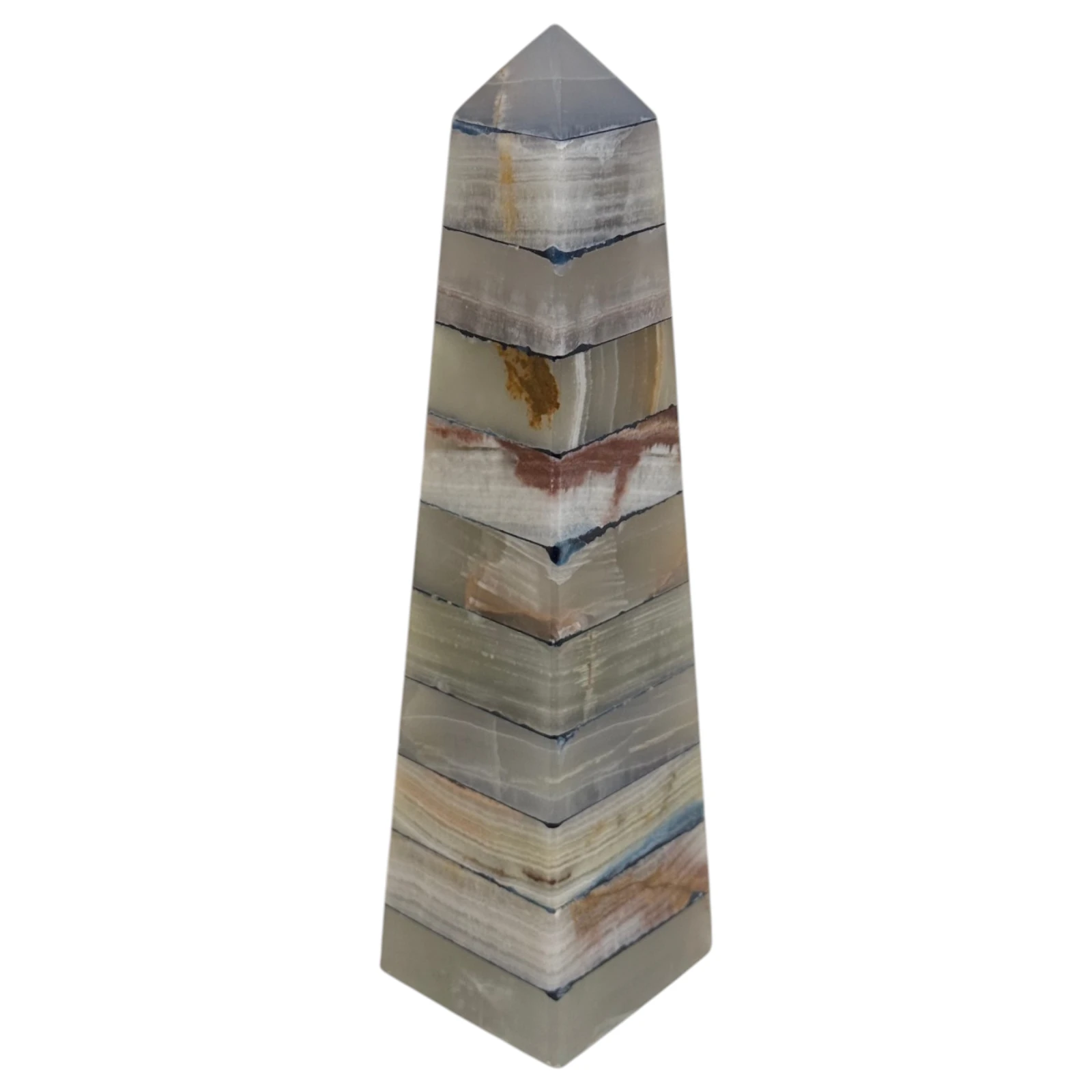
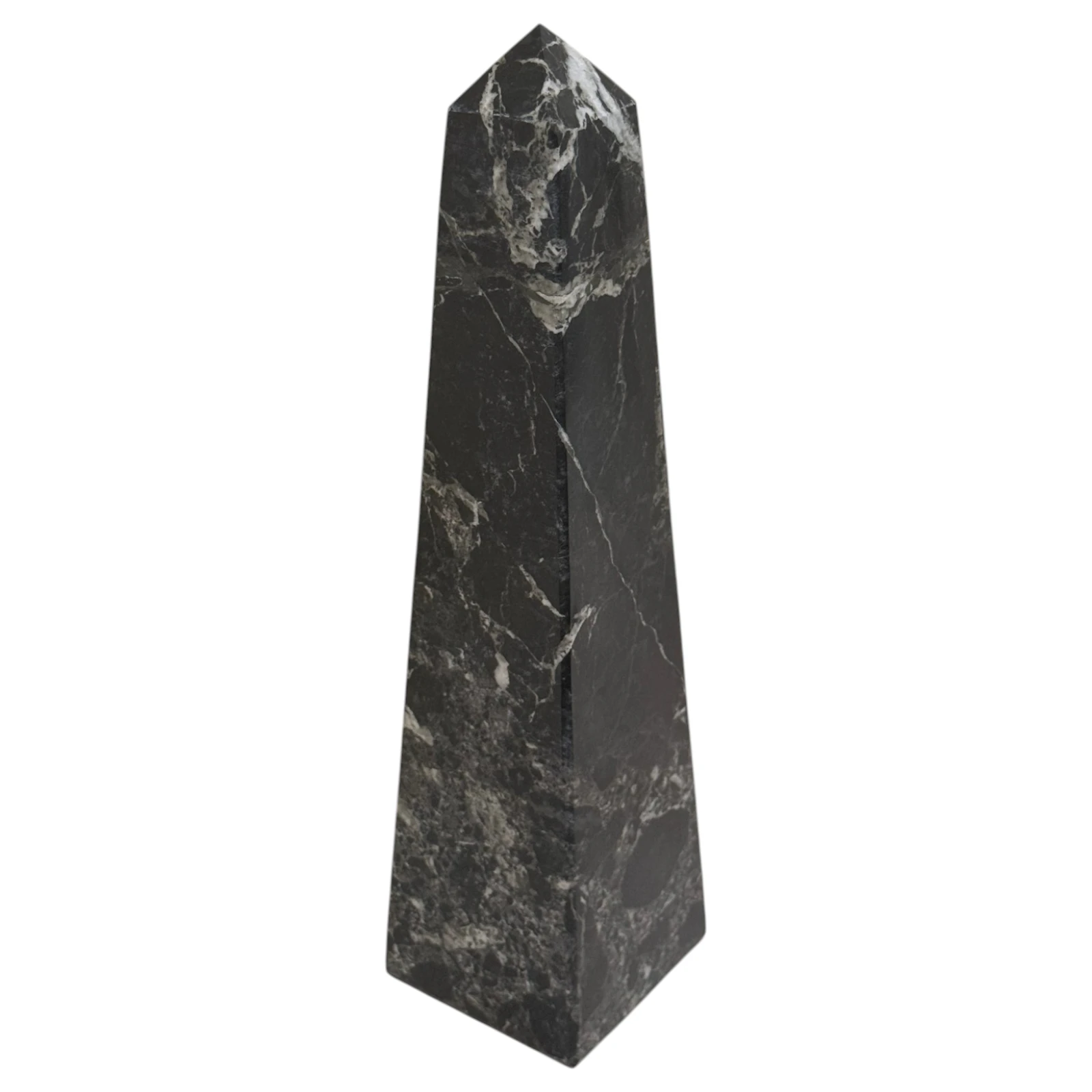
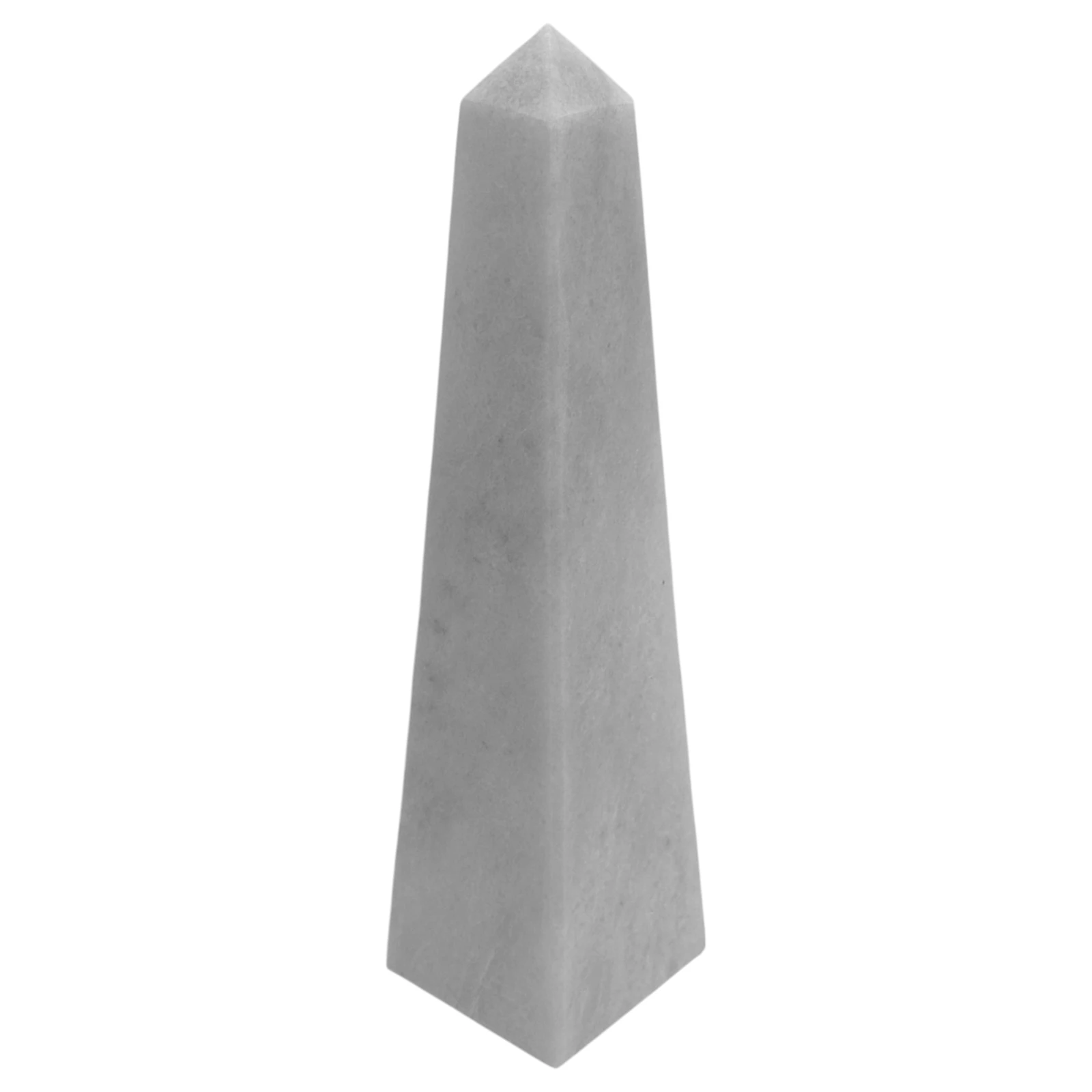
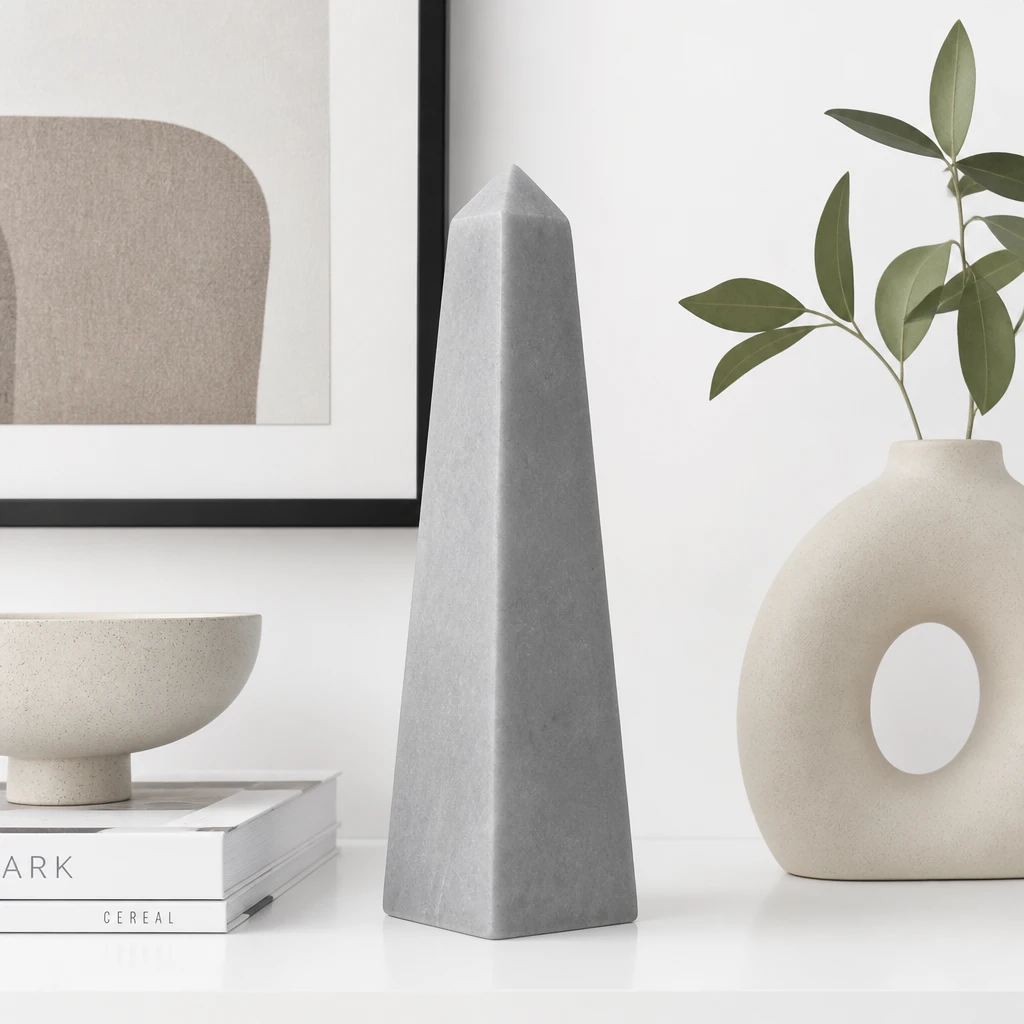
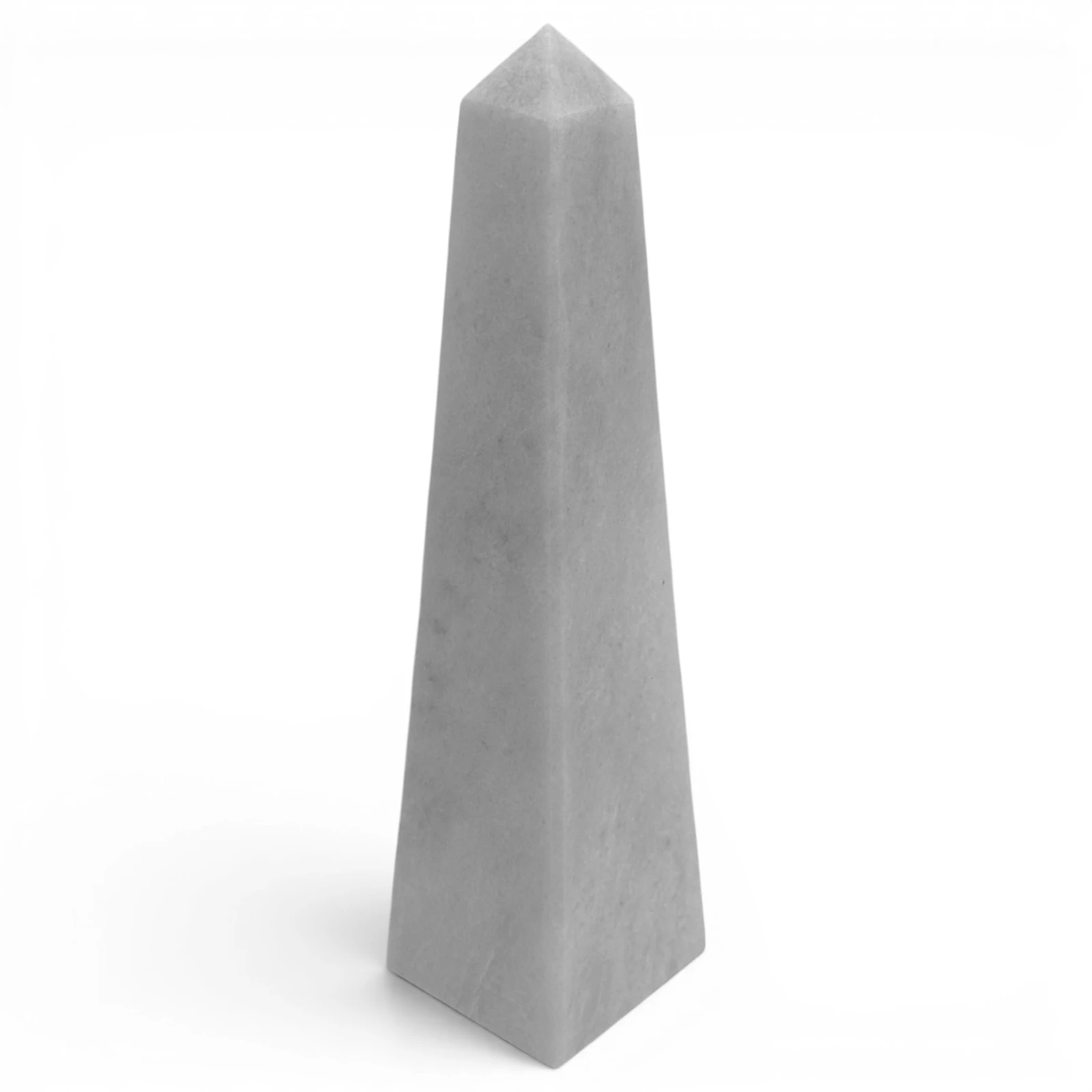
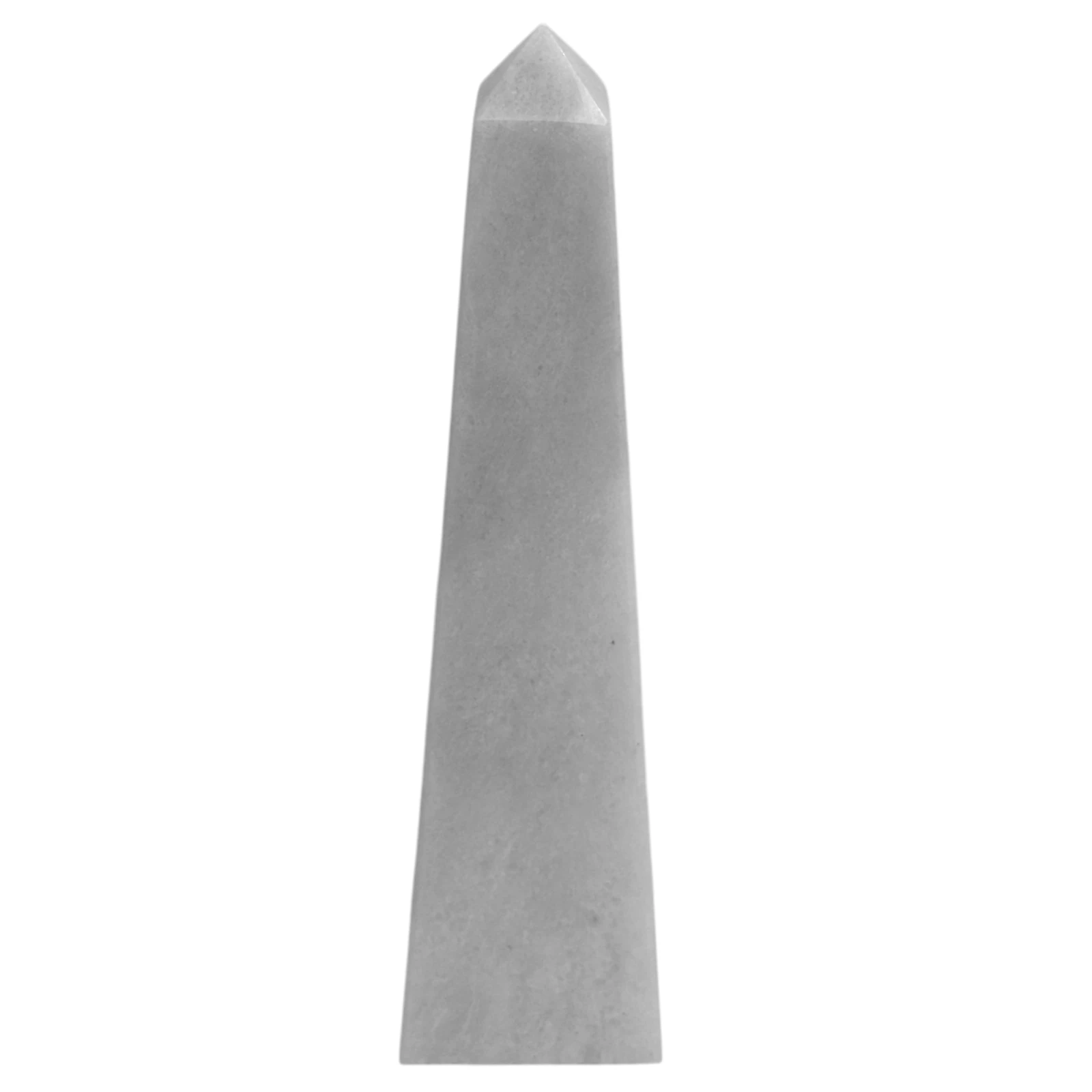
White Carrara Marble Obelisk Decorative Sculpture H 30cm
€59,00
Decorative obelisk in natural White Carrara marble, handcrafted as a tabletop sculpture with a slender geometric form, height 30cm. The tapered profile and pyramidal point reinterpret the architectural form of the obelisk in a clean, essential design, suitable as a decorative object for living rooms, entrance halls, studies, bookcases or console tables. White Carrara marble is prized for its light,...
Leggi tutto
The decorative White Carrara marble obelisk reinterprets one of the most recognisable architectural forms through a clean, contemporary language. The geometric base rises into a tapered body ending in a pyramidal point, creating a sculpture with precise, balanced proportions.
The obelisk offers a strong decorative presence while maintaining a relatively compact footprint. This is particularly useful on console tables, sideboards, bookcases and desks, where vertical elements help create more layered compositions. In international interior design collections, the obelisk is often used precisely to introduce height and visual interest to shelves and decorative surfaces.
White Carrara marble enhances the luminosity of the object. The stone naturally features light tones, subtle variations and grey veining that can differ in distribution and intensity. The CBAM page dedicated to Carrara marble obelisks also highlights its characteristic pearly white background and natural greyish veining.
The regular geometry allows the material to take centre stage. Each side can reveal different patterns within the marble, while the light, meeting surfaces oriented at different angles, helps emphasise the volumes and natural variations of the stone.
In interior design, it can be displayed as a standalone sculpture or used as a vertical element within a composition. Paired with a sphere, bowl or vase with curved lines, it creates a pleasing contrast between geometries; alongside books and artwork, it helps break up the predominance of horizontal lines.
White Carrara marble allows for highly versatile combinations. Paired with natural woods and neutral tones, it creates a bright, textural composition; with black, metals and dark surfaces, it gains stronger contrast. The historic form of the obelisk does not limit it to classic interiors: the same typology is now also used as a sculptural element in modern and minimalist spaces.
Artisanal craftsmanship preserves the natural characteristics of the stone. Differences in tone, veining and surface variations therefore contribute to the identity of the object, ensuring that each obelisk has its own distinctive character.
| Weight | 3 kg |
|---|---|
| Dimensions | 30 cm |
Why choose an obelisk instead of another tabletop sculpture?
The obelisk is particularly appealing when you want to add height without taking up a large surface area. Its vertical geometry can rebalance a composition of books, artwork, bowls and lower decorative objects, or stand alone as an architectural focal point on a console table or sideboard. This ability to create visual height within a compact footprint is one of the recurring reasons decorative obelisks are used in interior design.
Is a White Carrara marble obelisk easier to style than one in dark marble?
It depends on the effect you want to achieve. White Carrara marble is particularly versatile when the aim is to introduce brightness and a subtle material presence. It pairs easily with light woods, neutral tones and natural stone, while also creating a strong contrast against dark furniture. Black marble, by comparison, generally creates a bolder visual accent. For this reason, Carrara is an appealing choice when the goal is to introduce a substantial sculpture without making the overall composition feel too visually heavy.
You may also like…

Price range: €49,00 through €885,00




Price range: €49,00 through €885,00
