
 Italiano

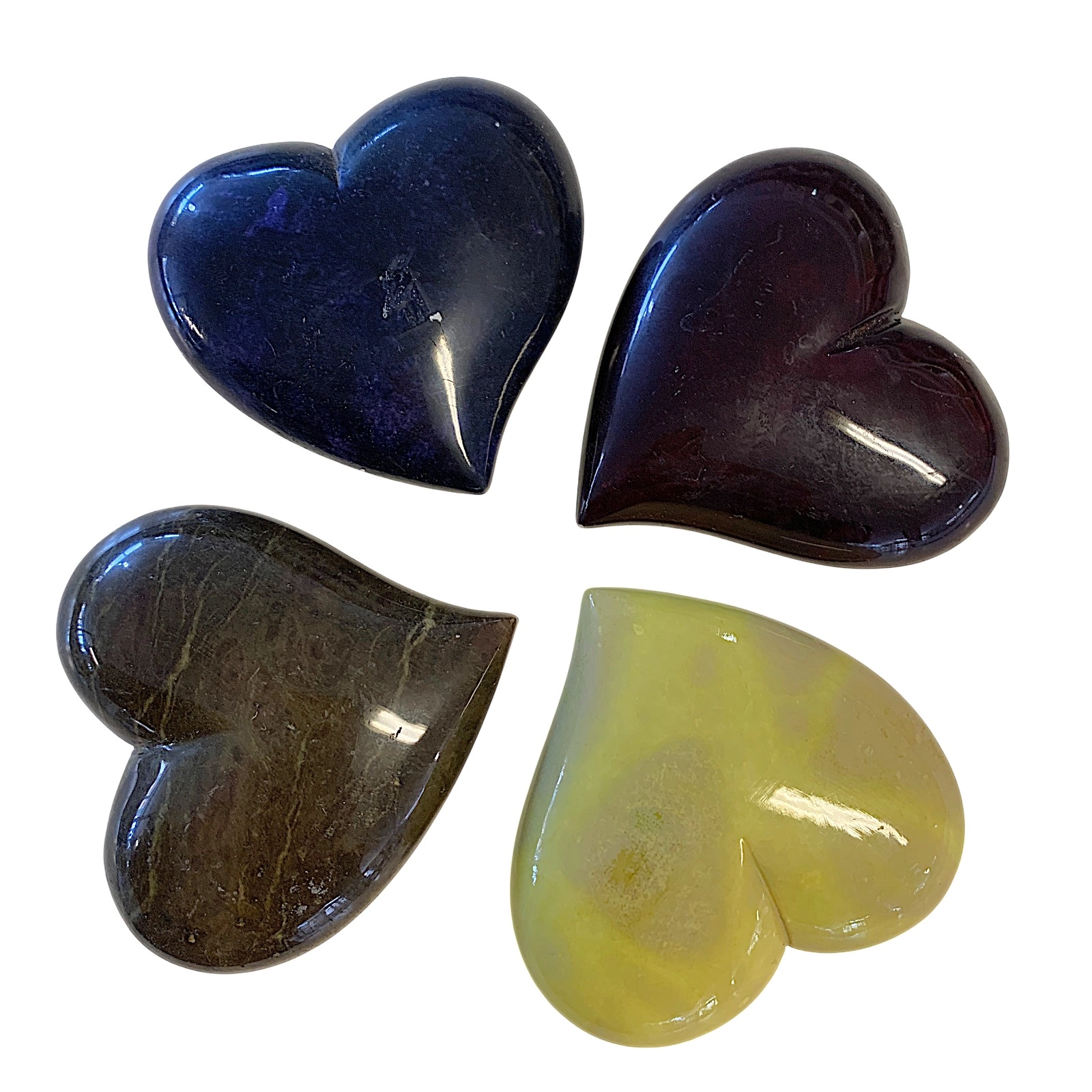
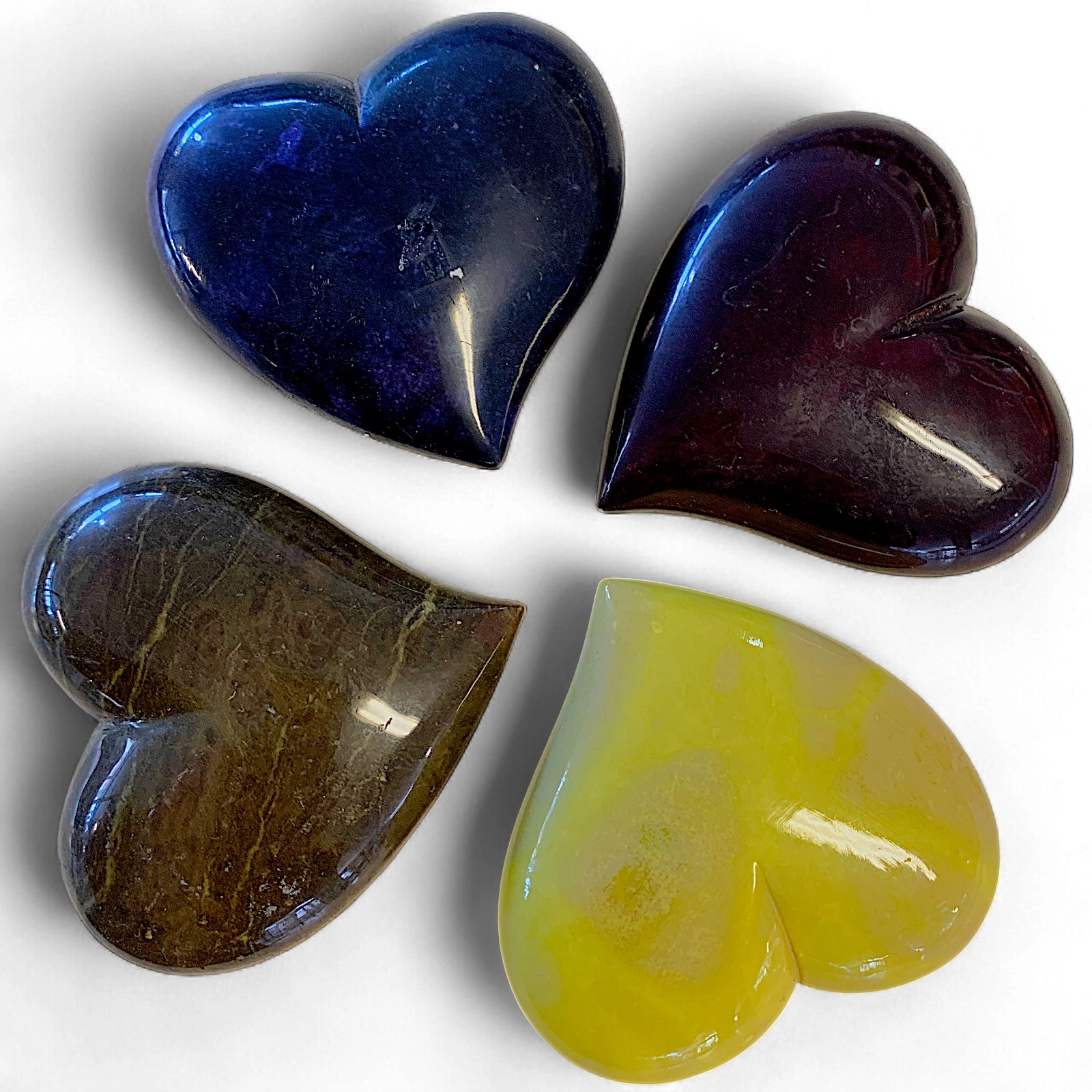
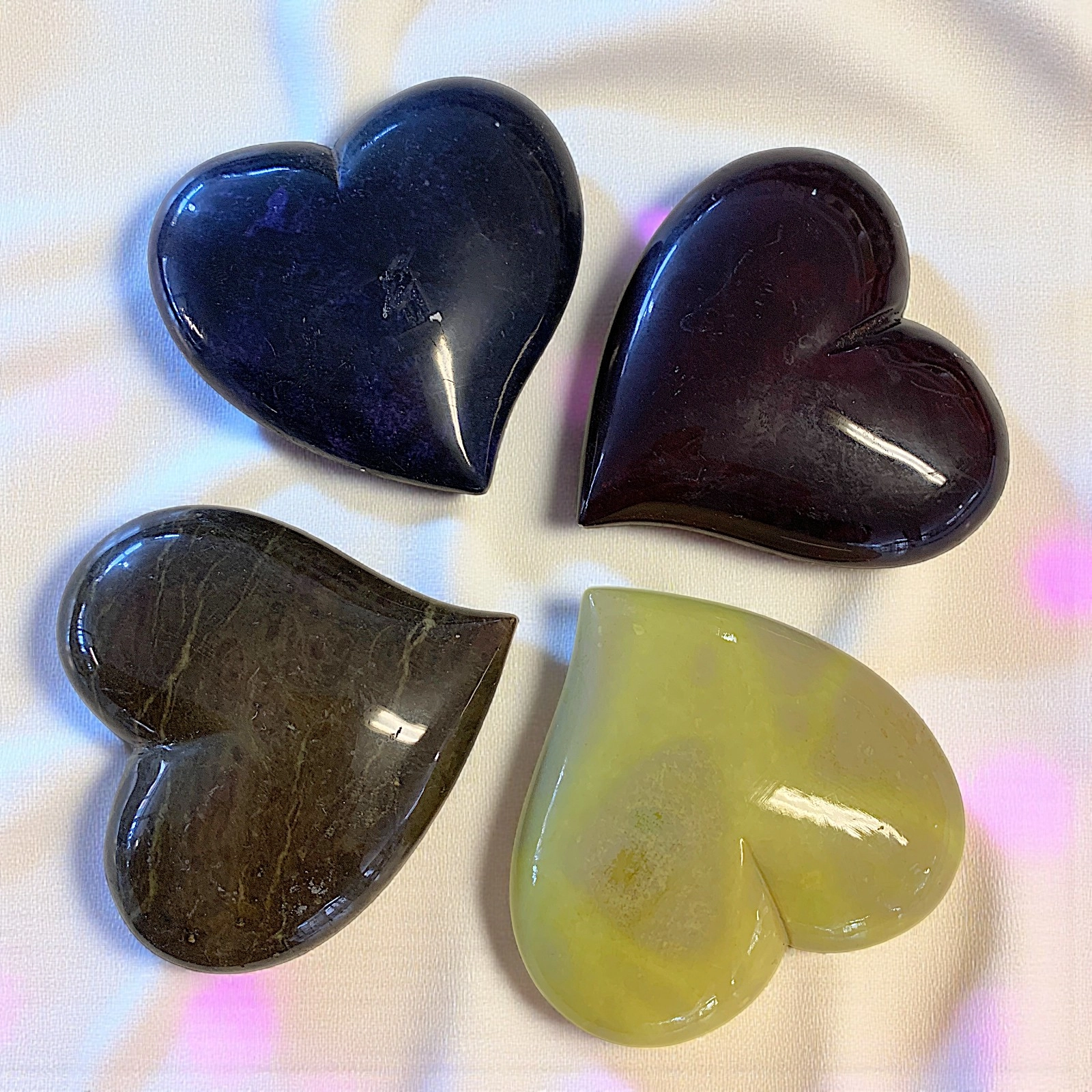




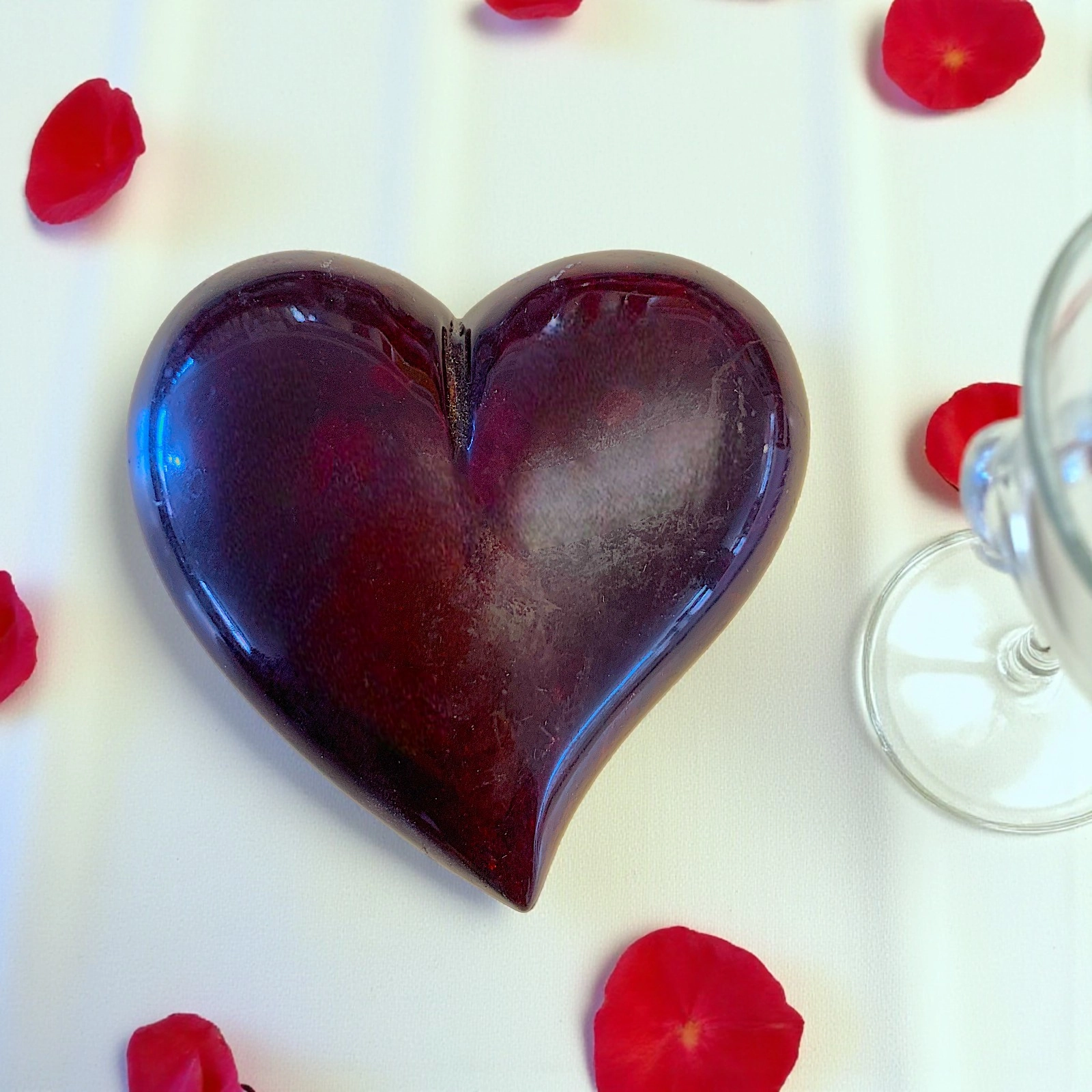
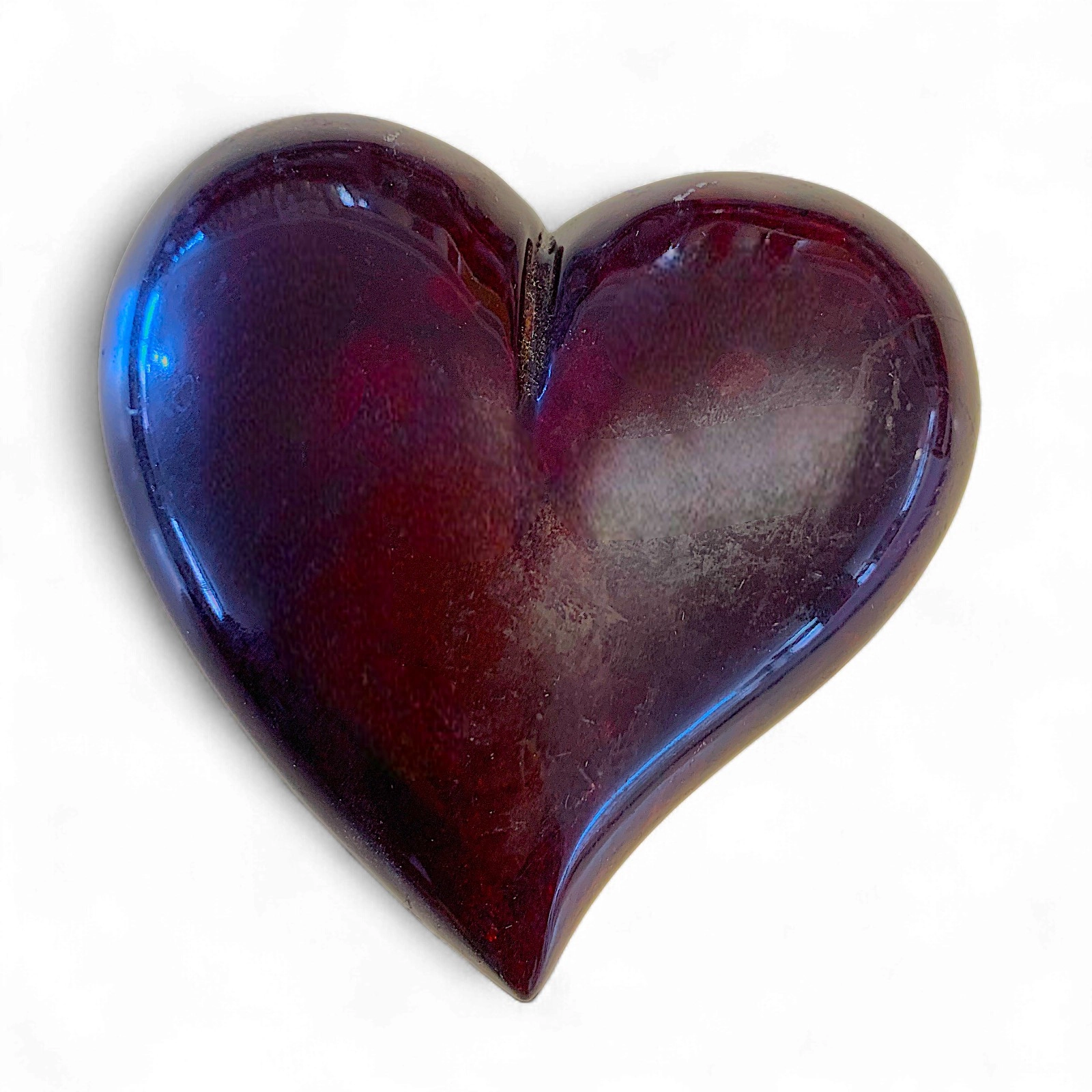
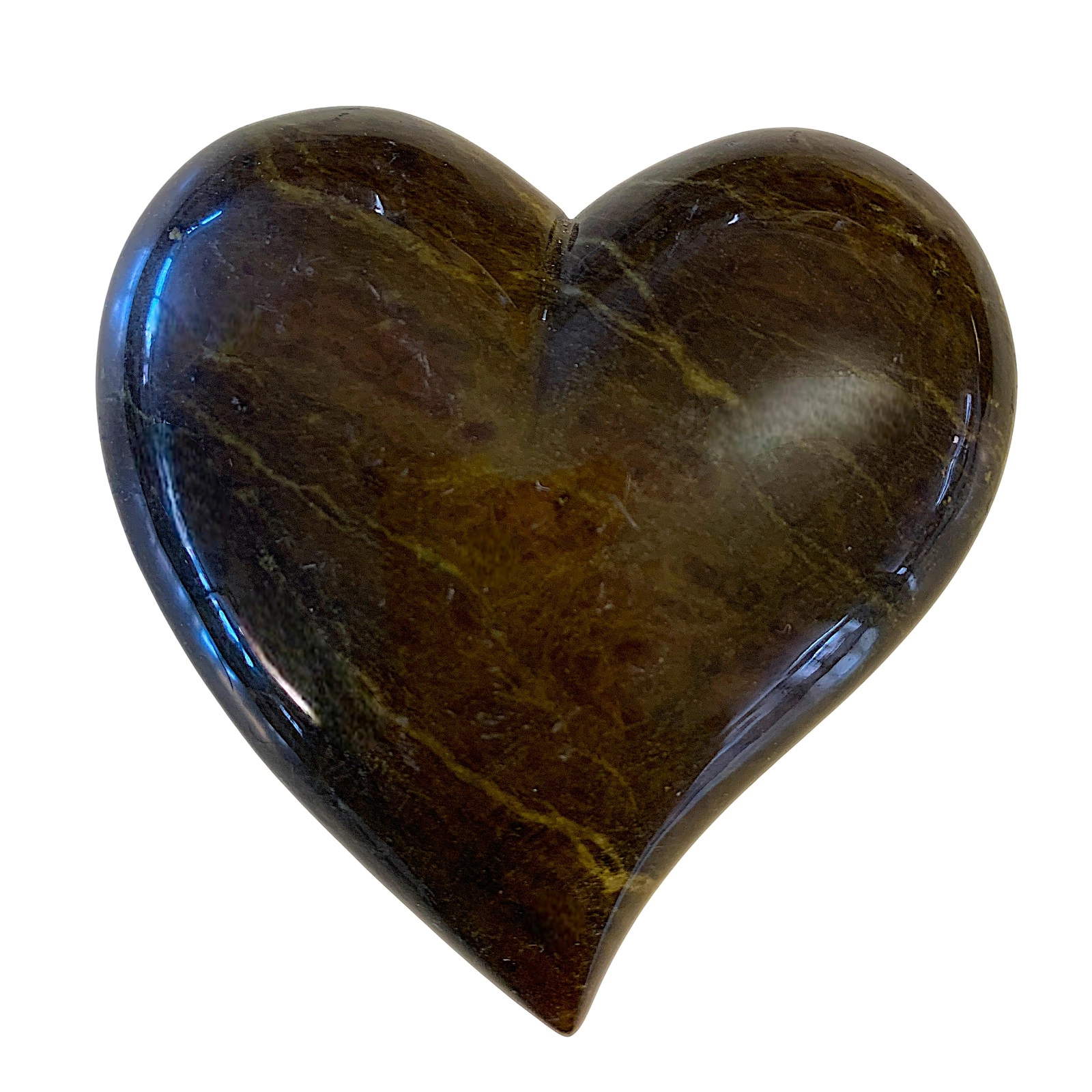

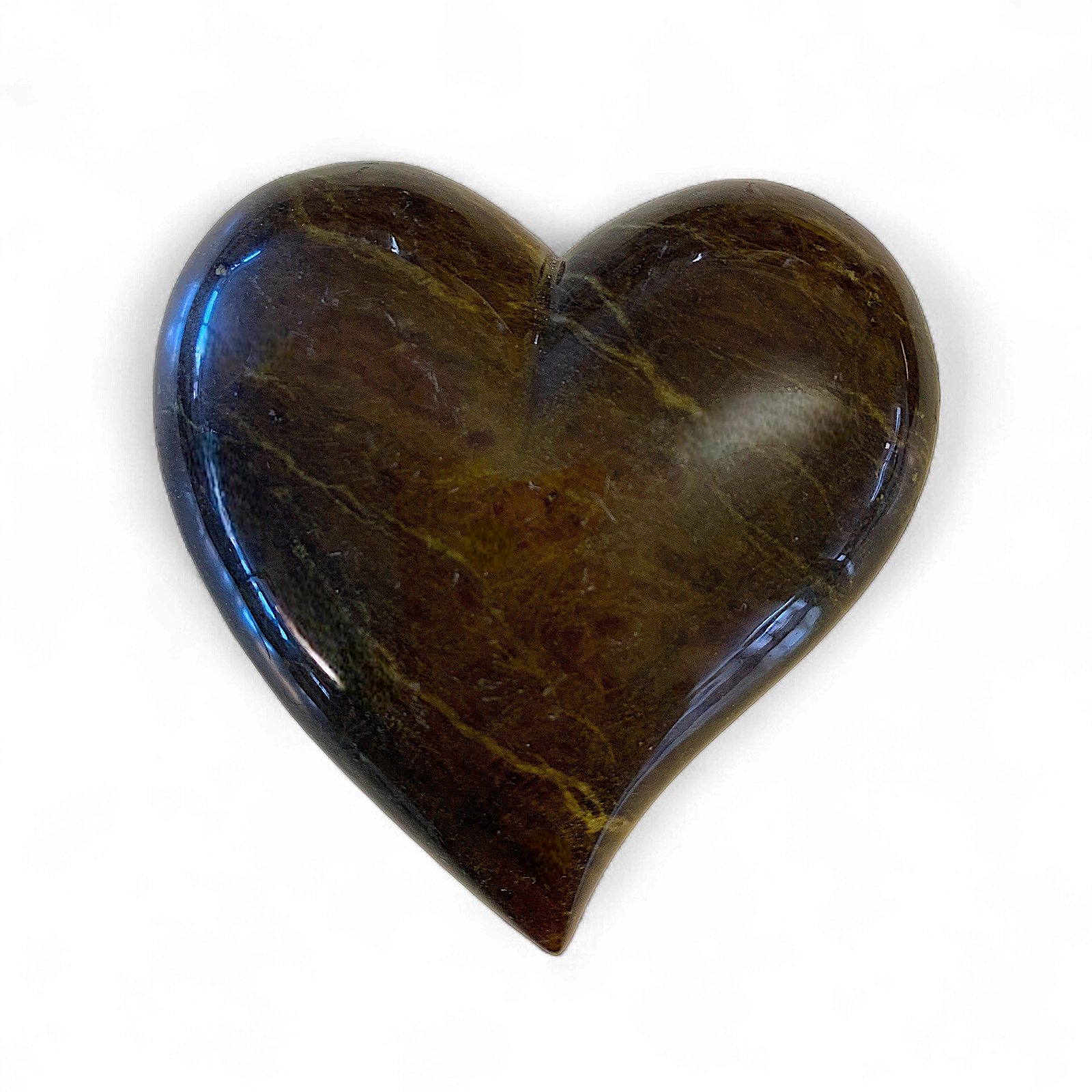
Alabaster Table Sculpture Heart 10 cm
€24,00
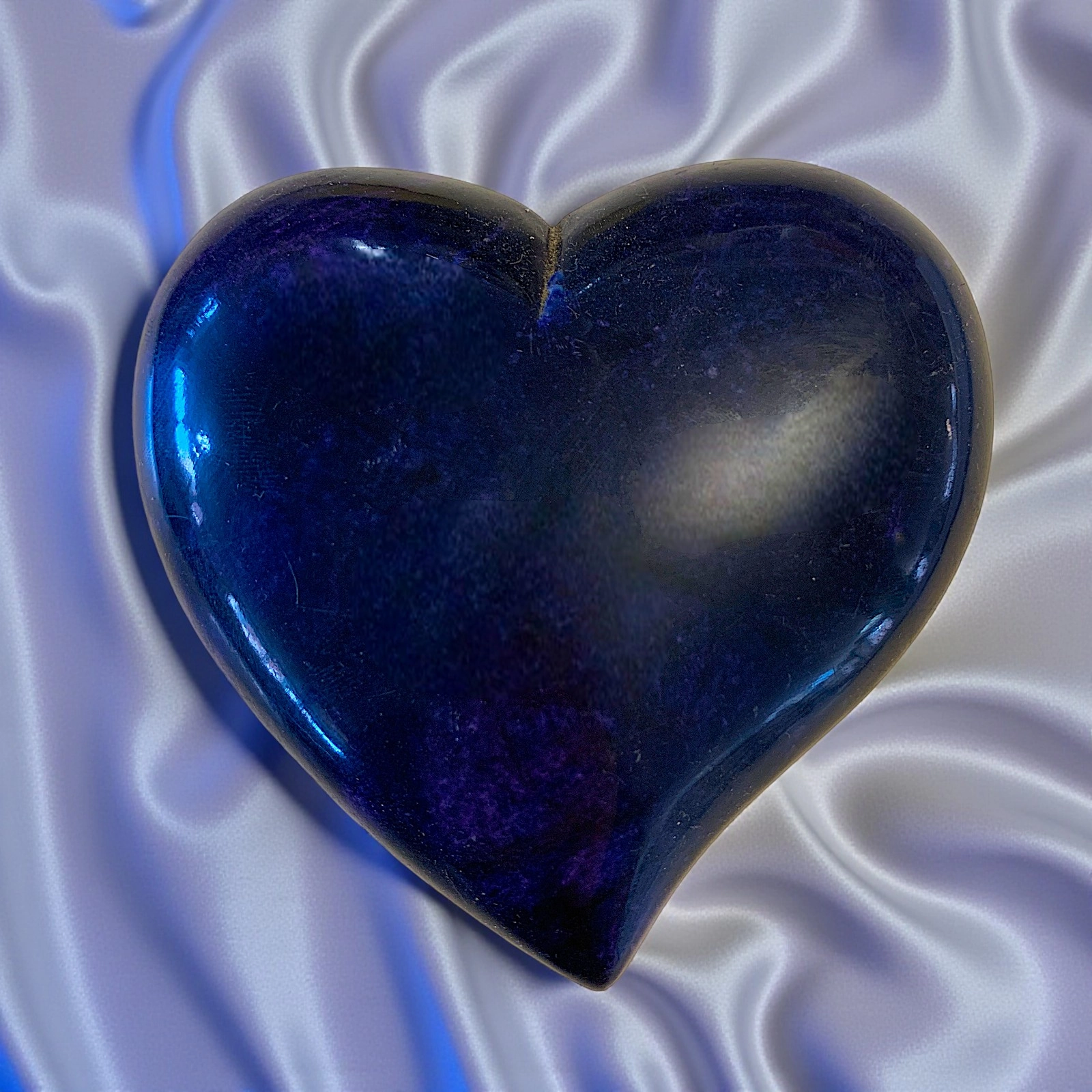
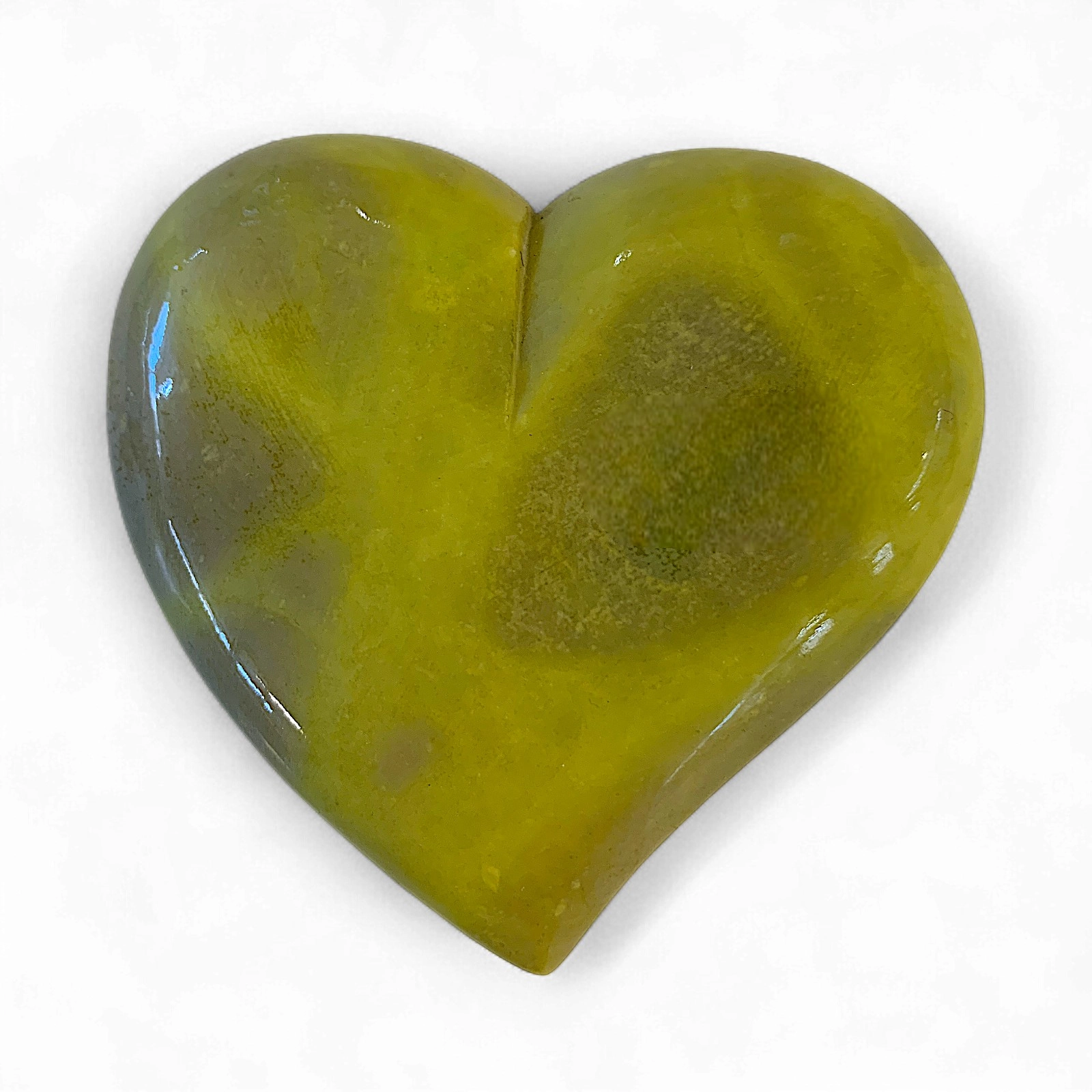
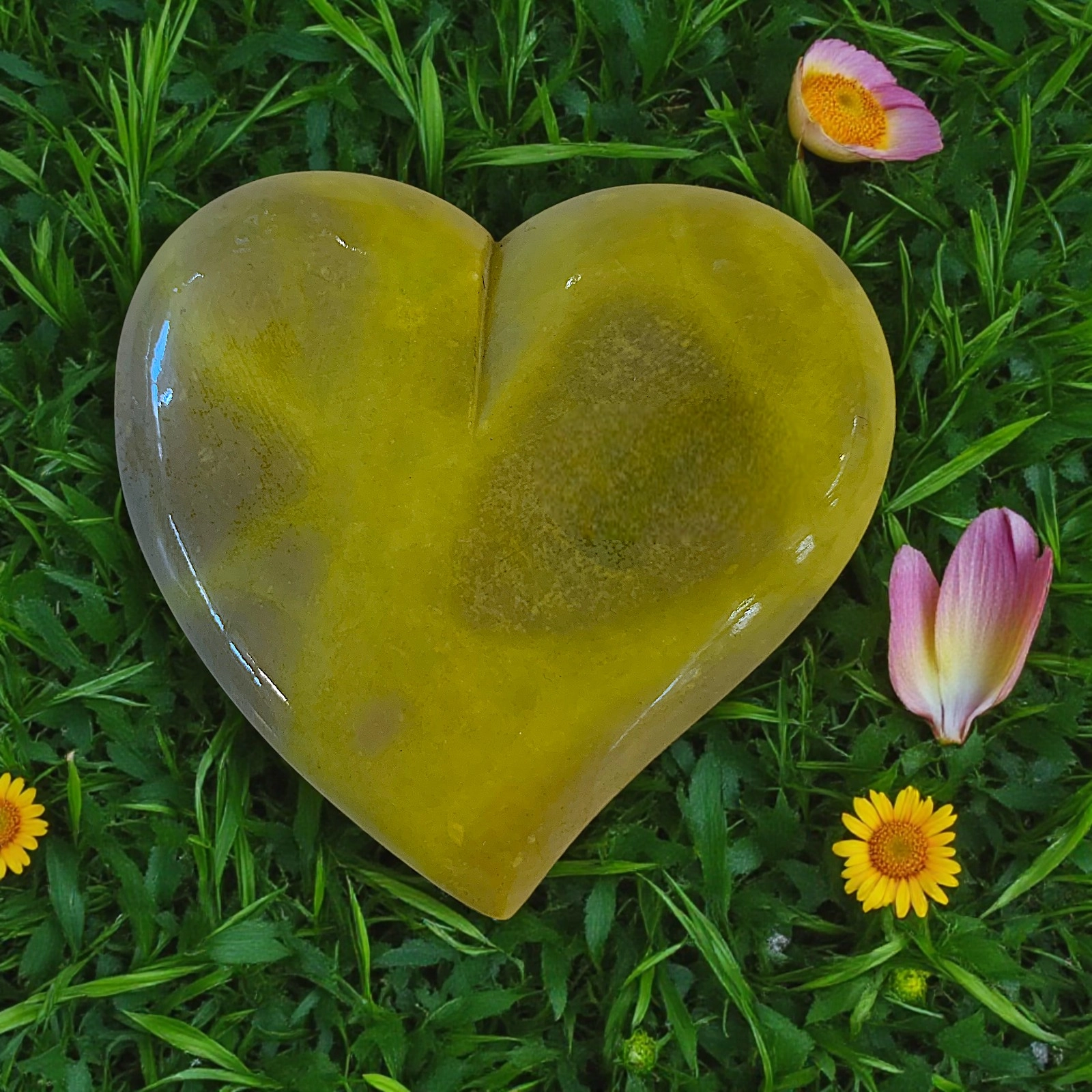
Size 10x9cm, available in 4 colors: yellow, blue, red and green. Handcrafted and designer decorative element, capable of enhancing any environment. Slight variations may be brought about by craftsmanship and the use of natural materials. Handcrafted, every detail captures the beauty and elegance of alabaster, turning this small work of art into a unique piece. The heart, a universal symbol...
Leggi tutto
The heart is a symbol rich in meaning, deeply rooted in many cultures and traditions. Here are some of the main symbols associated with the heart:
Love and affection – The heart symbol is universally recognized as a representation of romantic love and affection. This meaning is common in Western cultures, where the stylized heart is often used in contexts expressing affection, such as Valentine’s Day.
Soul and Spirit – In many spiritual traditions, the heart is considered the seat of the soul or spirit. In ancient Egypt, for example, the heart was seen as the center of emotions, thought, and will, so much so that it was weighed in the afterlife judgment ceremony.
Life and vitality – The heart is symbolic of life itself, as it is the organ that pumps blood, keeping the individual alive. Its constant pulsation is a metaphor for the vital flow and continuity of life.
Courage and strength – In many languages, the word “heart” is related to the concept of courage. For example, the English word “courage” comes from the Latin “cor,” meaning heart. This symbolic link associates the heart with inner strength and determination.
Compassion and mercy-The heart is also a symbol of compassion and mercy, reflecting the idea that these feelings emanate from the center of a person’s being.
Friendship and Loyalty – In some cultures, the heart also represents sincere friendship and loyalty. This is evident in jewelry and symbols such as the Irish Claddagh, which combines heart, crown and hands to symbolize love, loyalty and friendship.
The symbolism of the heart is thus wide and varied, with a wealth of meanings that make it a powerful emblem in many cultural and spiritual traditions.
| Weight | 1 kg |
|---|---|
| Dimensions | 10 × 9 cm |
| Colore | Blue, Dark red, Green, Yellow |
You may also like…
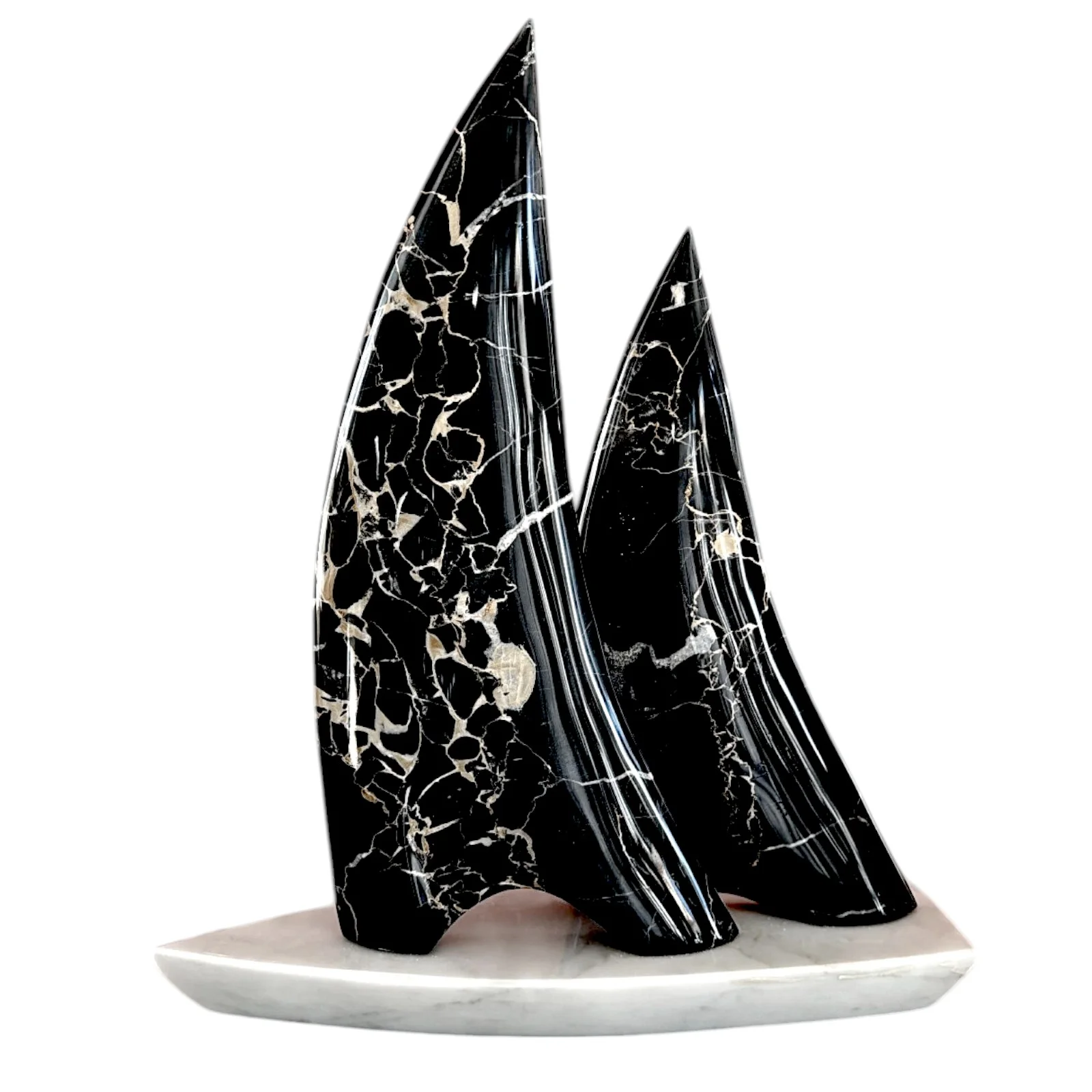
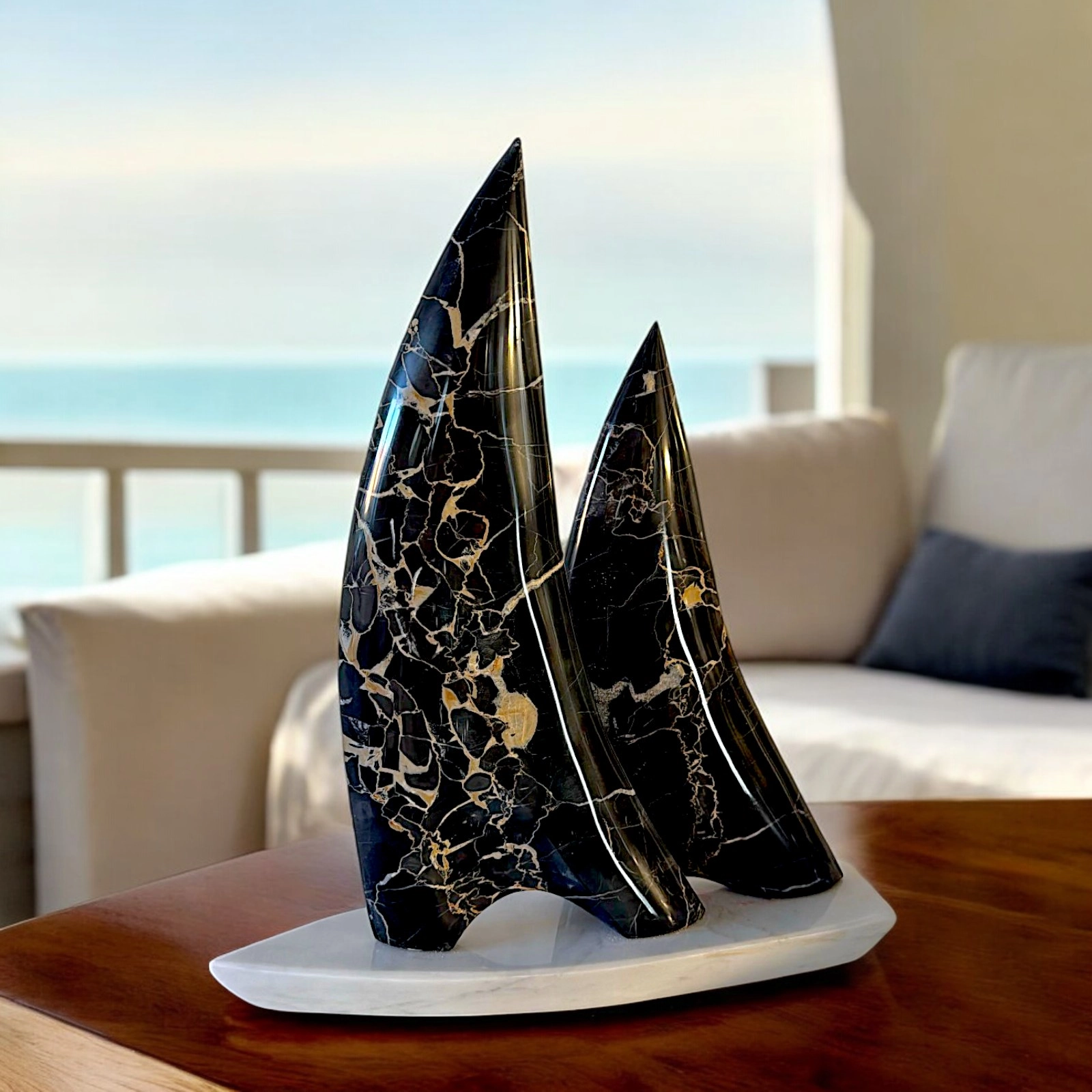


Price range: €95,00 through €2.170,00
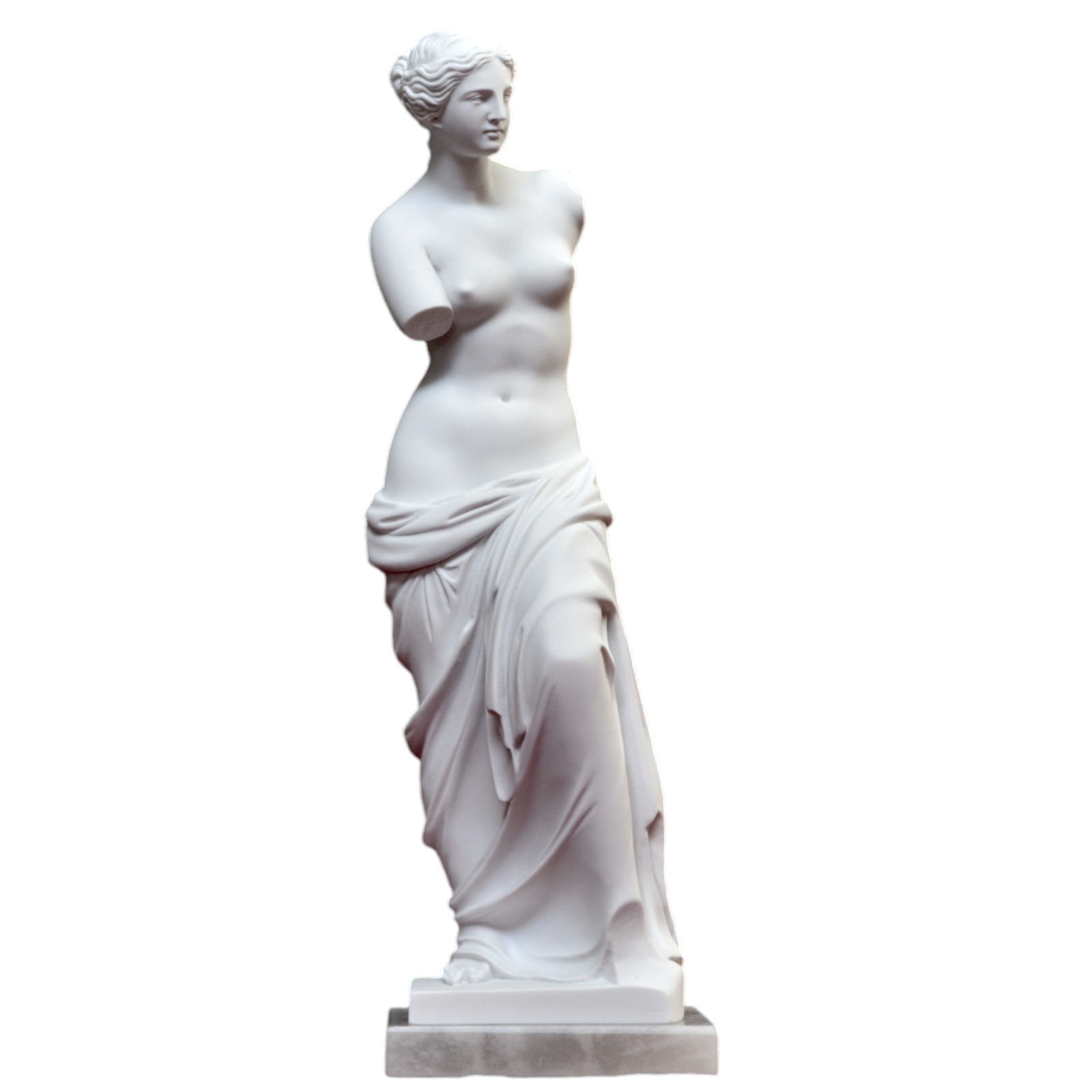
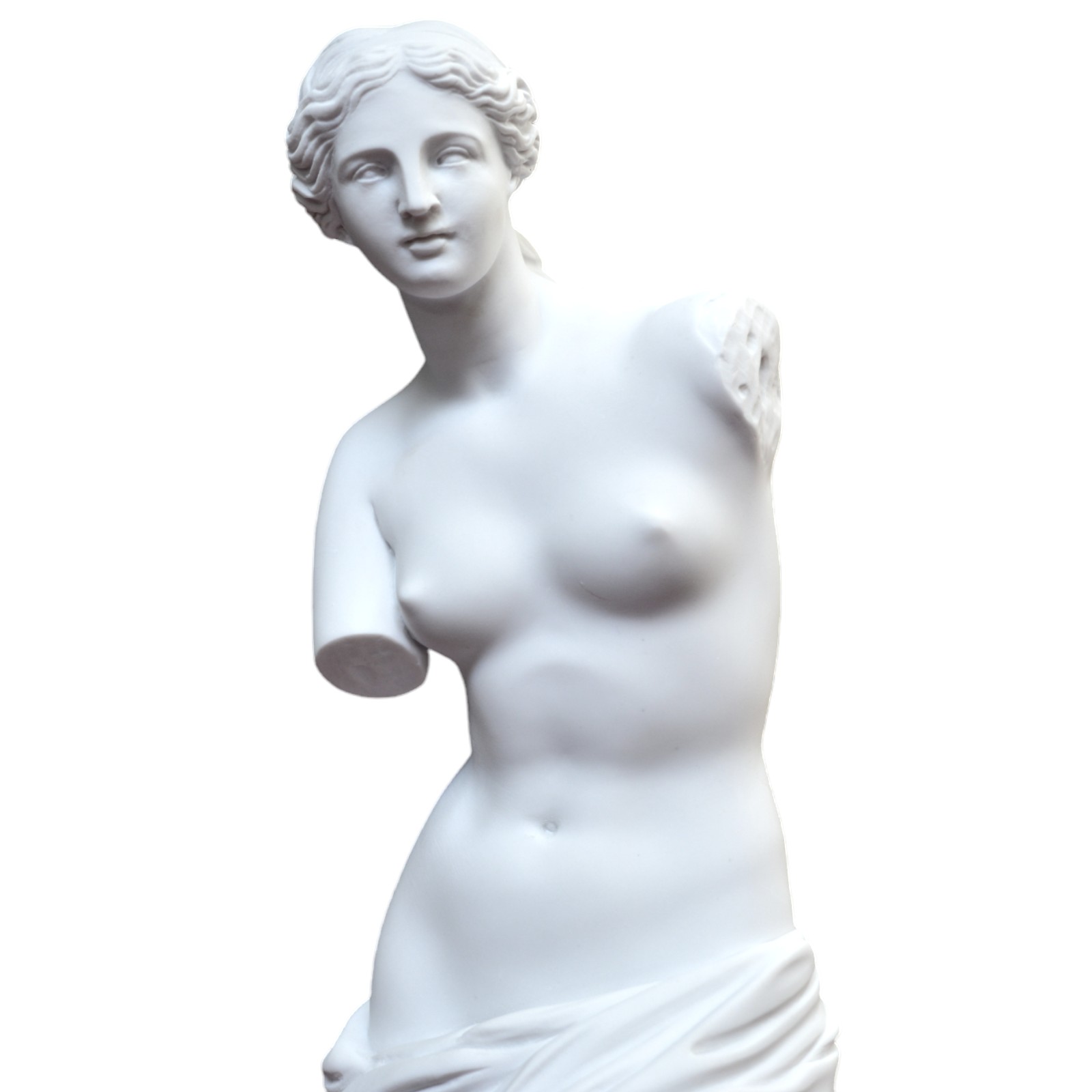
Price range: €32,00 through €1.620,00
