
 Italiano

-
×
 White Carrara Marble Venus de Milo Sculpture
1 × €4.200,00
White Carrara Marble Venus de Milo Sculpture
1 × €4.200,00
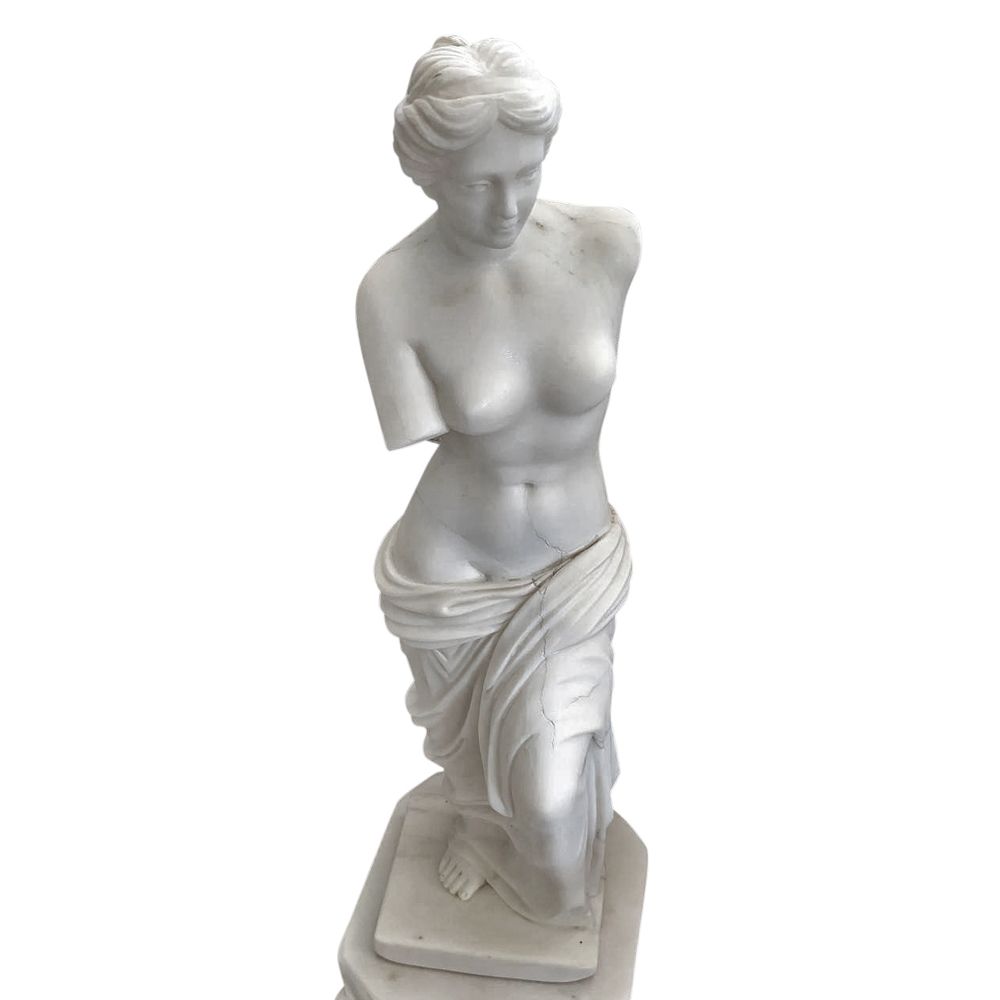 White Carrara Marble Venus de Milo Sculpture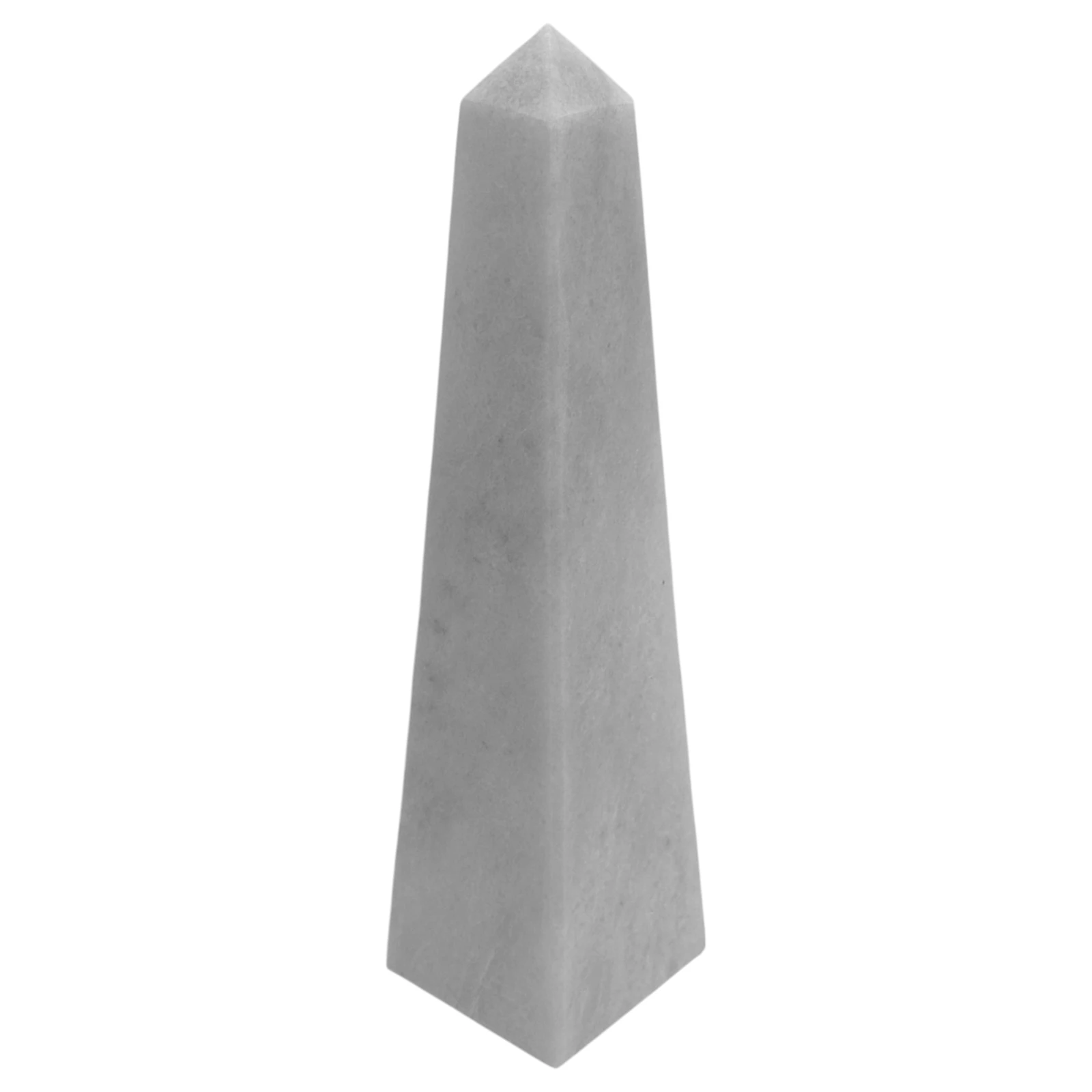
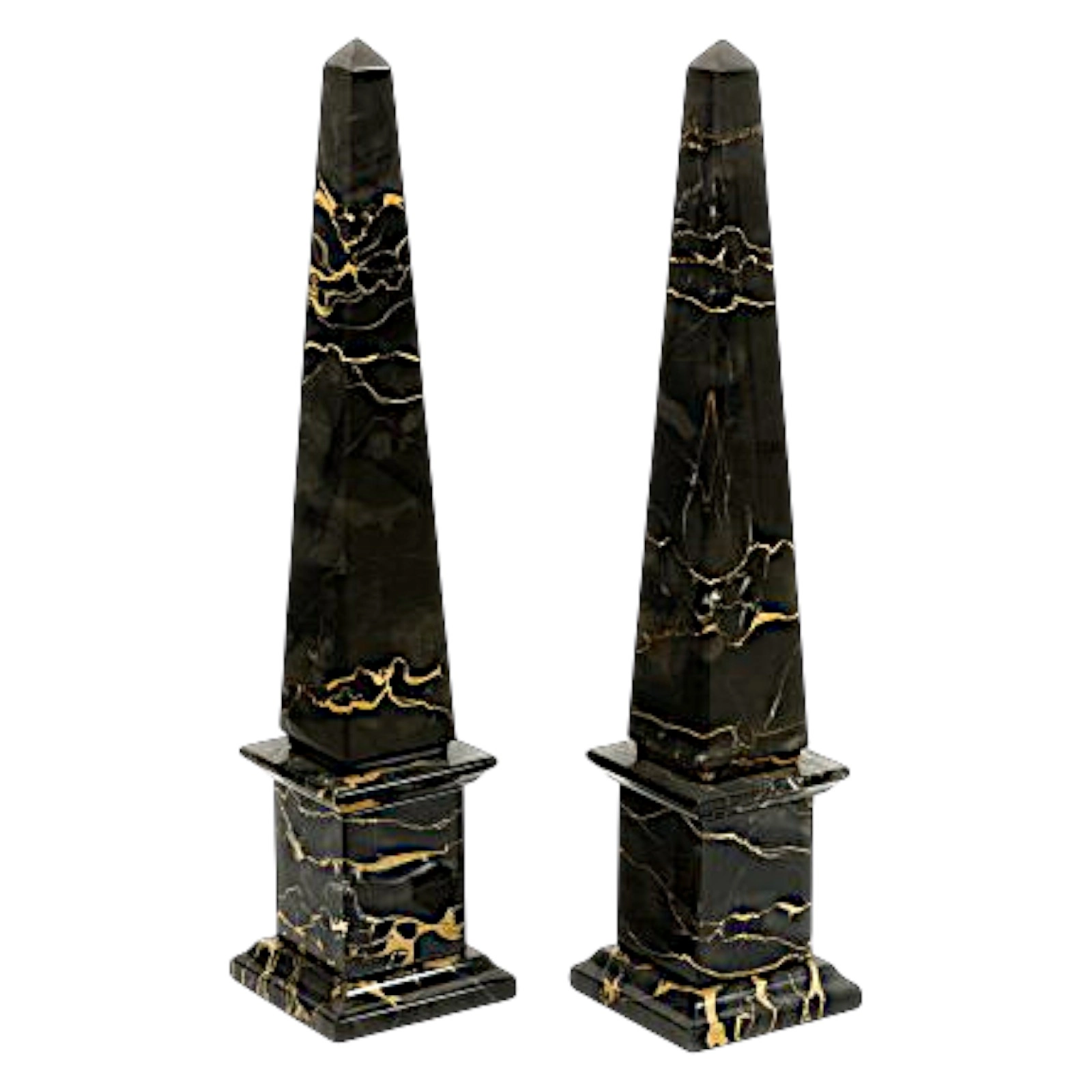
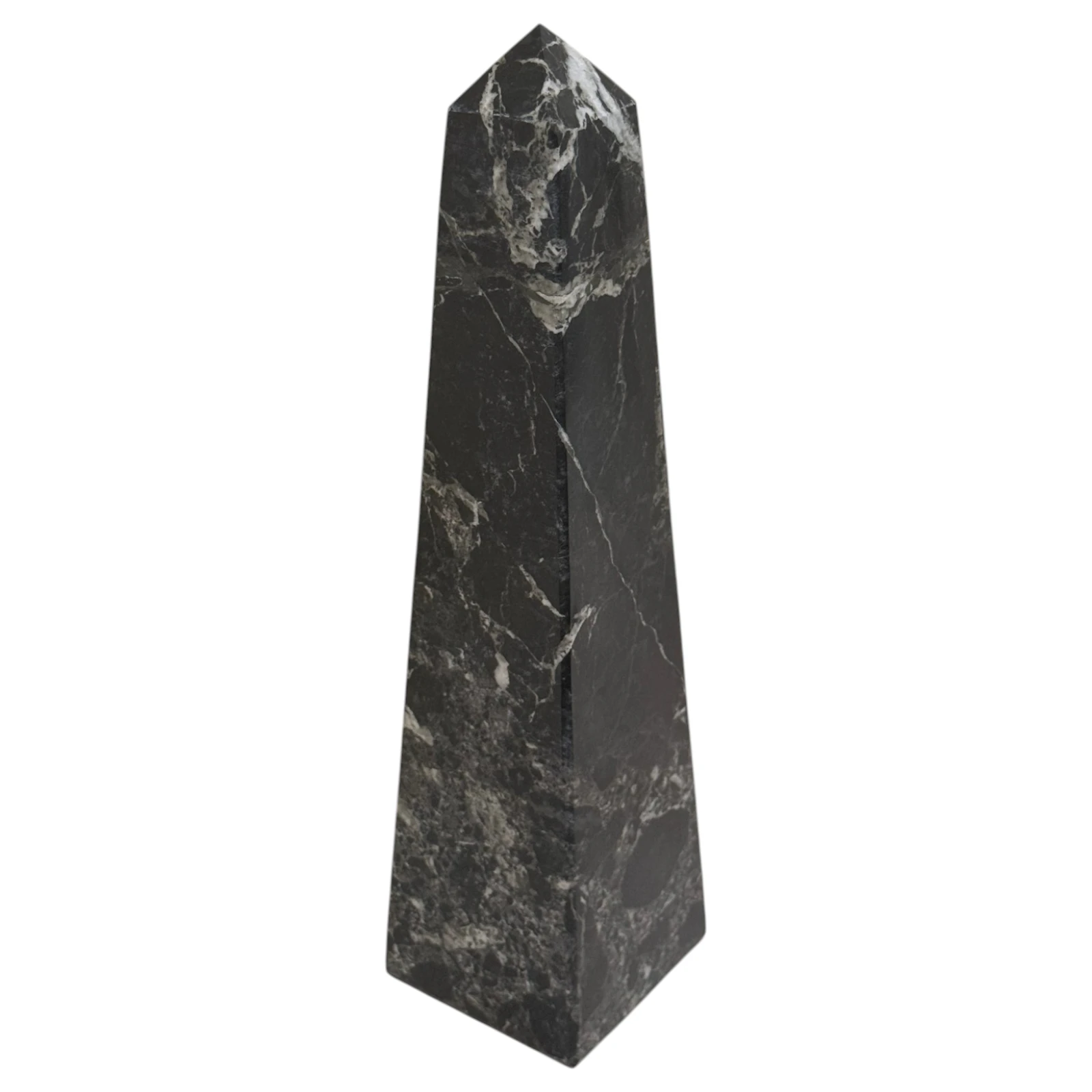
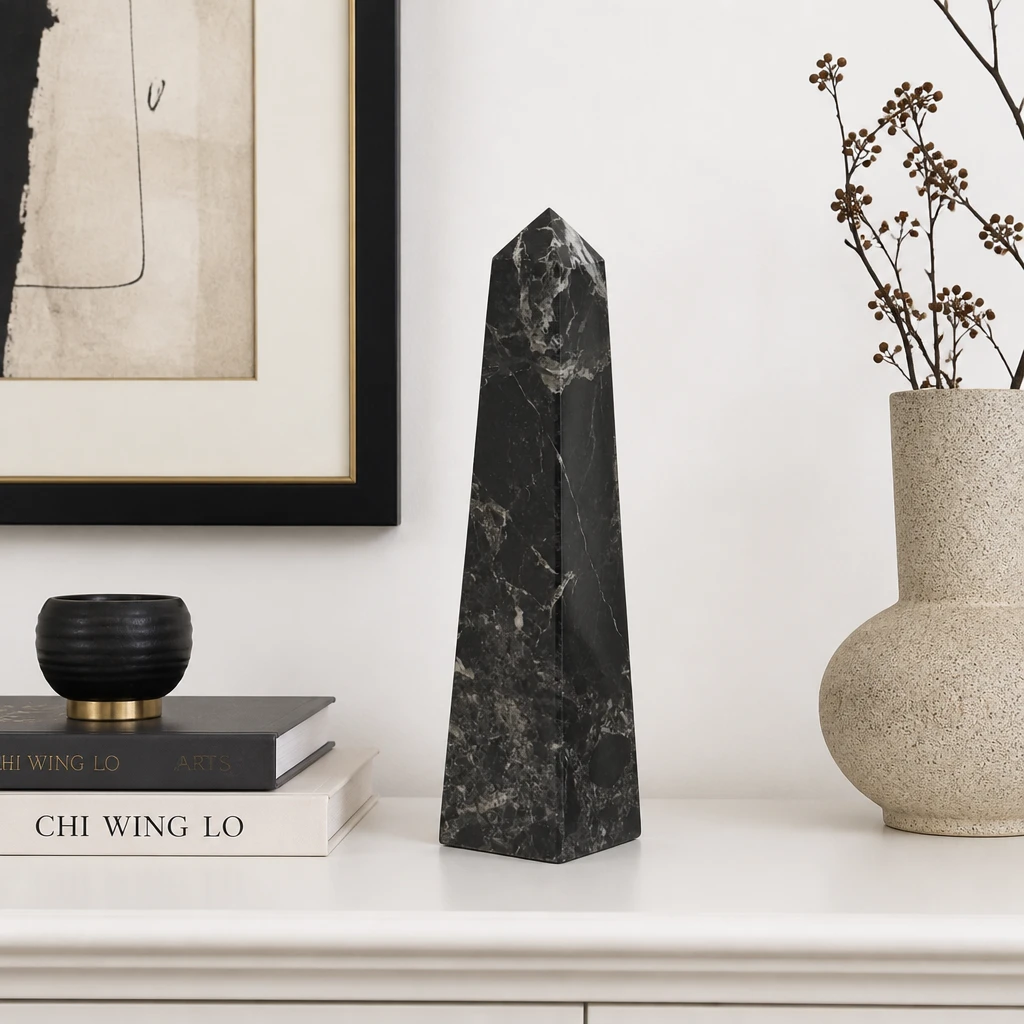
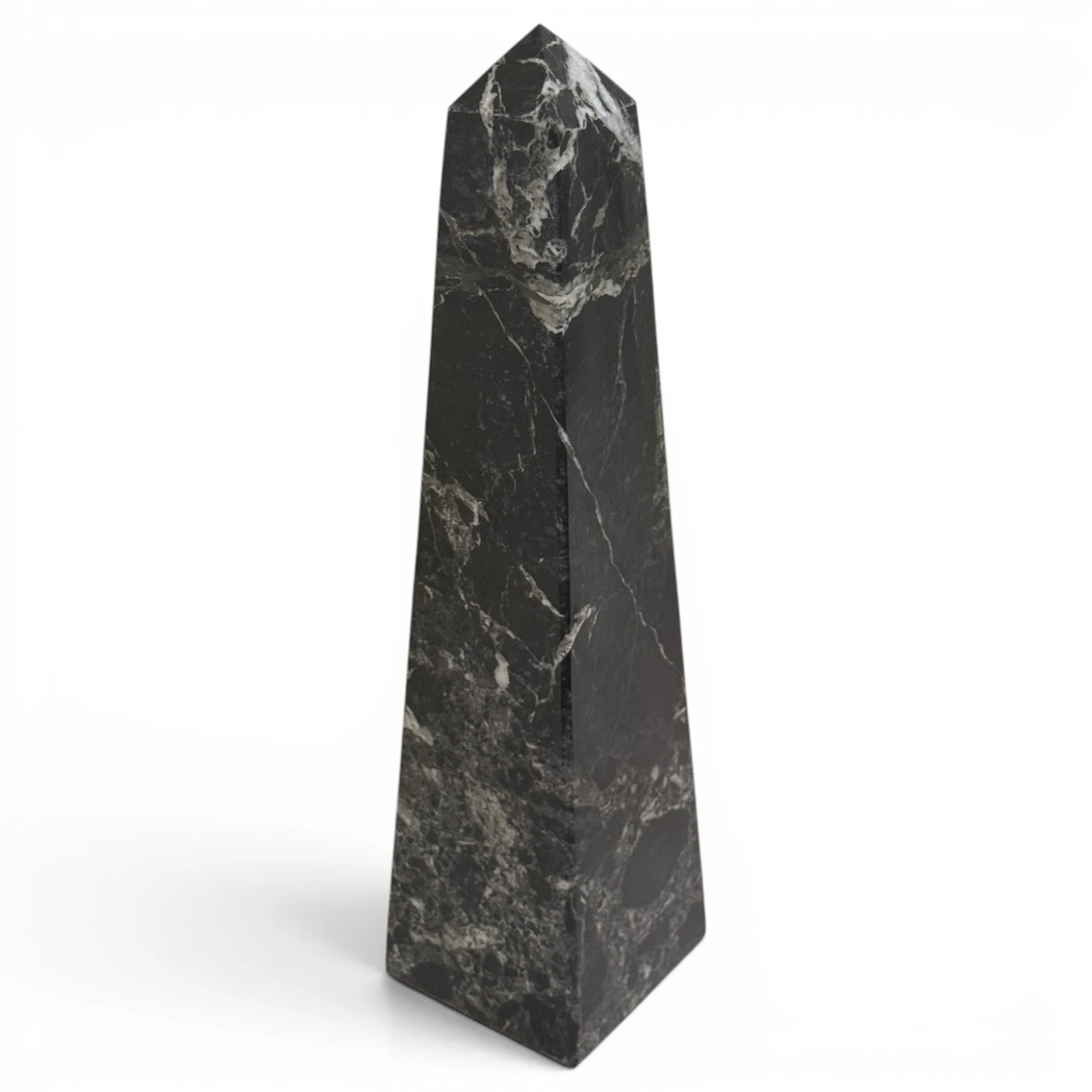
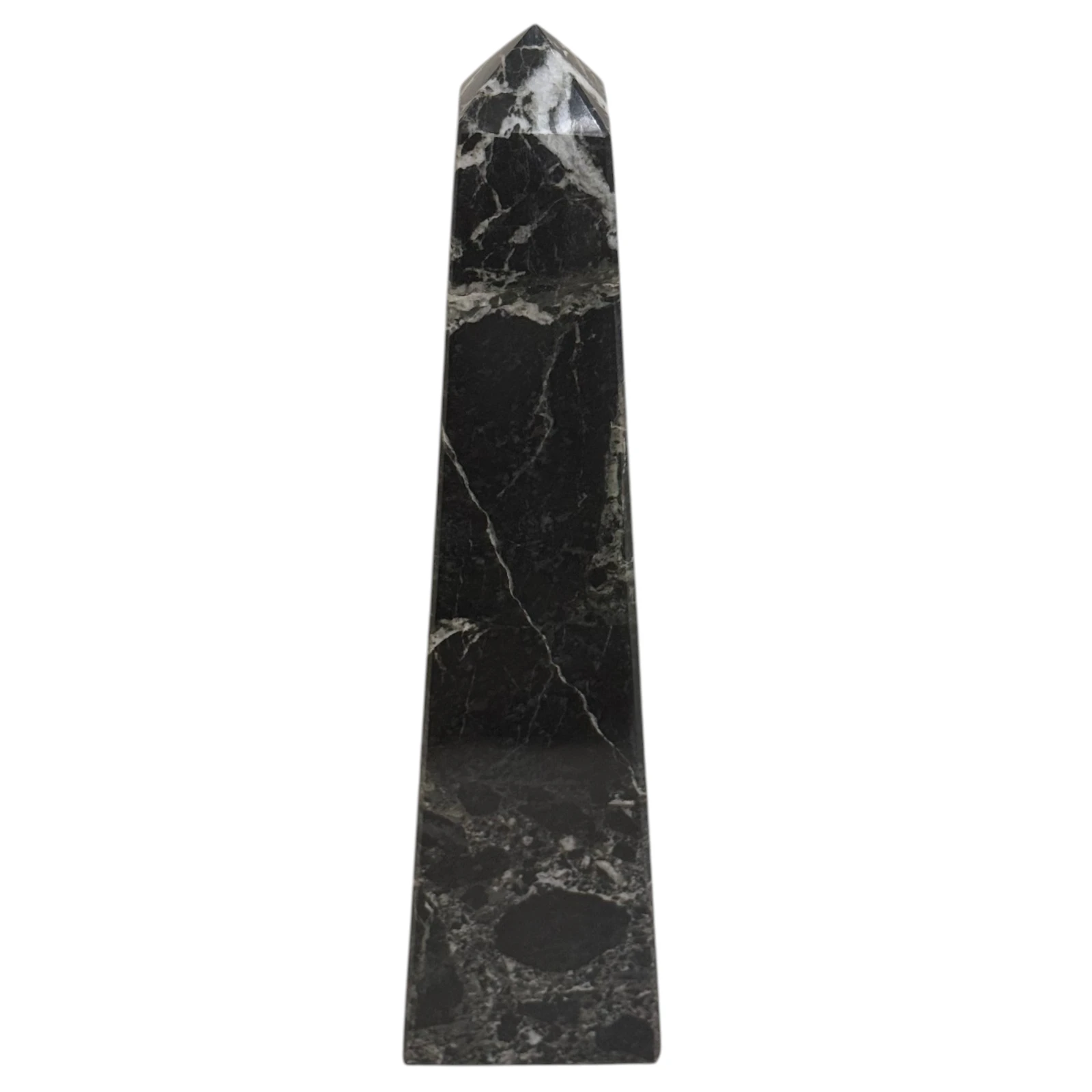
Decorative Black Marble Obelisk Tabletop Sculpture H 30cm
€59,00
Decorative obelisk in natural black marble, handcrafted as a tabletop sculpture with a slender geometric form, height 30cm. The vertical profile and pointed top echo the essential form of the obelisk, reinterpreting it as a contemporary decorative object that adds height and character to the composition. Black marble is crossed by lighter veining and natural movement that break up the...
Leggi tutto
An ancient geometry reinterpreted as a contemporary decorative sculpture. The natural black marble obelisk rises vertically, gradually tapering to its distinctive pointed top.
With a height of 30cm, it offers a noticeable presence without taking up much surface space. Its vertical proportions make it particularly effective on console tables, sideboards, bookcases and desks, where it can add height to compositions dominated by books, artwork and lower-profile objects. This type of styling is also common in international collections of similarly sized marble obelisks, valued for their ability to introduce vertical structure even on smaller surfaces.
Black marble plays a defining role in the character of the object. Its deep background is crossed by lighter veining and natural variations that make each face unique. The geometry of the obelisk also creates surfaces that meet the light at different angles, revealing different details of the stone from one perspective to another.
It can be displayed as a standalone tabletop sculpture or become the vertical focal point of a decorative composition. Paired with a low bowl, a sphere, a selection of books or a vase with rounded forms, it creates an appealing balance between clean lines and softer volumes. On a desk or in a study, it takes on the character of a refined, understated sculptural object.
Black marble allows for a wide range of combinations. On light woods, travertine and ivory-toned surfaces, it creates a striking graphic contrast; paired with metal, glass or dark woods, it produces a more intense effect. Its architectural form does not necessarily call for a classic interior: in a contemporary space, it can become the contrasting element that gives the overall setting a more distinctive character.
Decorative marble obelisks are featured in the interior design market both as home accents and as decorative objects for offices, bookcases and console tables; their vertical form and relatively compact footprint are recurring features in their commercial presentation.
Artisanal craftsmanship preserves the natural characteristics of the stone. Veining, tonal variations and surface differences therefore do not follow a uniform pattern, but contribute to the individual character of each object.
| Weight | 3 kg |
|---|---|
| Dimensions | 30 cm |
What is a decorative obelisk used for in interior design?
A decorative obelisk is especially useful when a composition feels too horizontal or uniform. Its tall, narrow form adds verticality without taking up the space required by a large vase or wider sculpture. On a sideboard or console table, it can become the tallest element in the arrangement; on a bookcase, it helps break up the visual repetition of books and adds rhythm to the overall composition.
Does a marble obelisk risk making the interior feel too classic?
Not necessarily. Although the obelisk has ancient origins, its clean geometry works beautifully in contemporary interiors. In black marble, especially when paired with wood, glass, metal or light-coloured stone, it can function as a sculptural and architectural element rather than a traditional decoration. Contemporary interior decor collections also feature obelisks for shelves, desks and modern console tables.
You may also like…


30%

€790,00 €553,00


